THE HISTORY OF THE PENTECOSTAL MOVEMENT
(Elements can be read by clicking on the dates)
18th-19th Century
INTERNATIONAL CONTEXT:
The direct precursors to the modern Pentecostal movement are found in the evangelical and holiness movements of the 18th-19th centuries. Examples include: Nicholas von Zinzendorf in the Moravian Brethren at Herrnhut, the Wesley brothers and the Methodist Movement in England, Charles Finney, Phoebe Palmer, and others leading the holiness movements. Various healing movements also began during this period, including the ministries of Maria Woodworth-Etter and Dwight L. Moody.
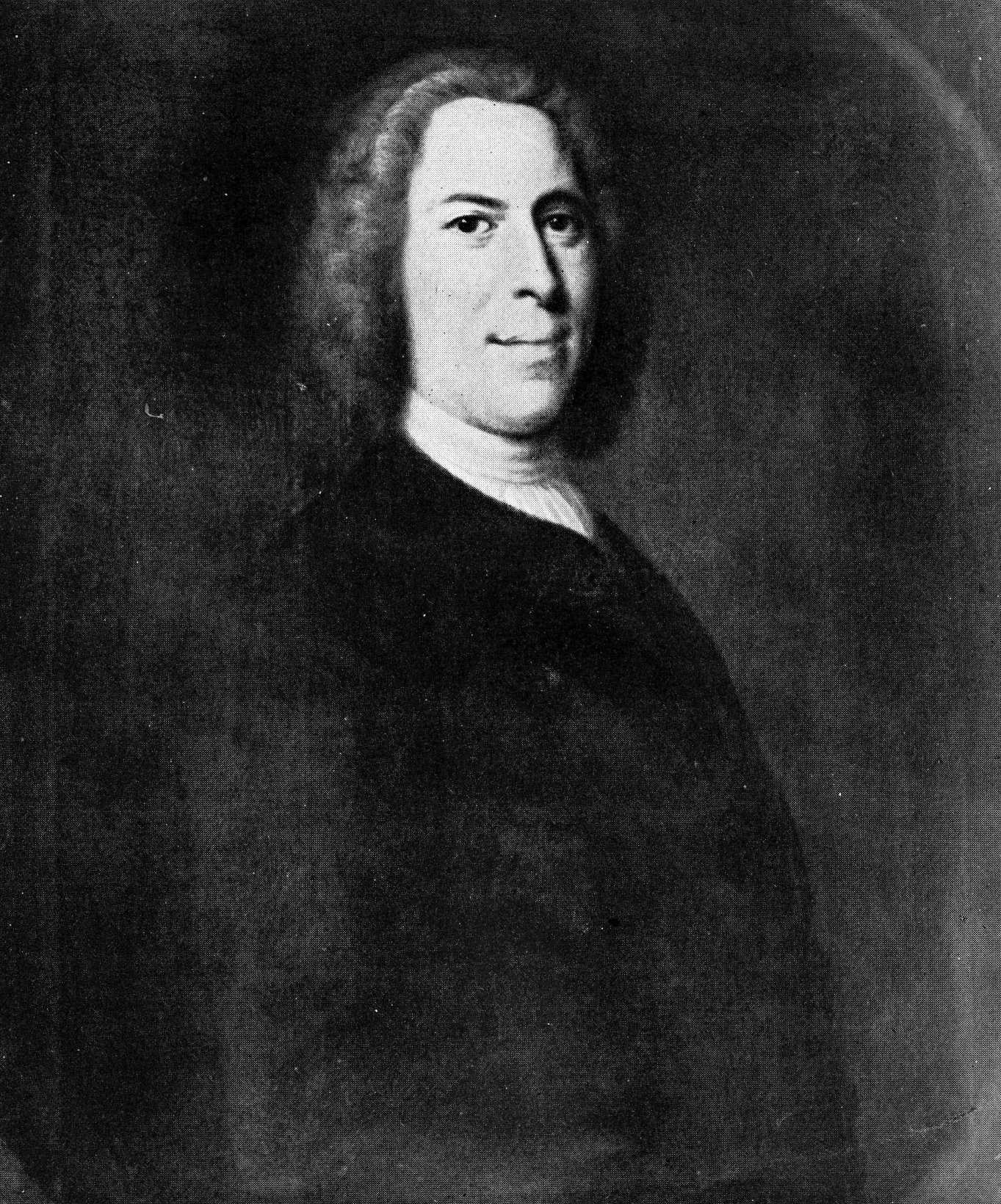
Nikolaus Zinzendorf
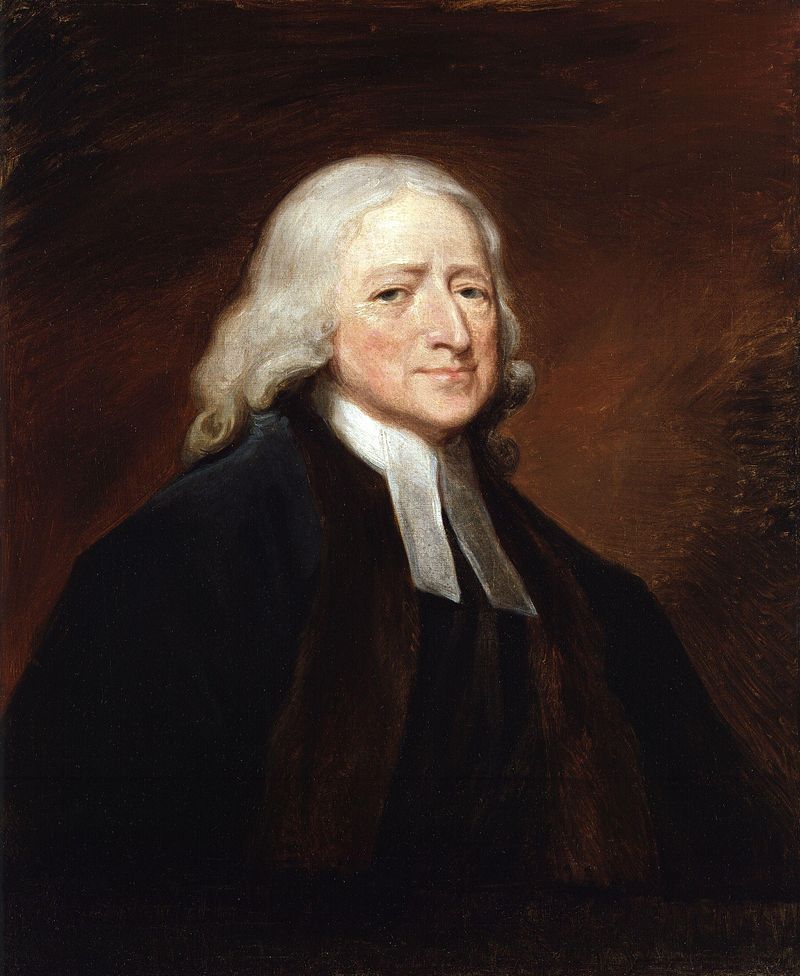
John Wesley
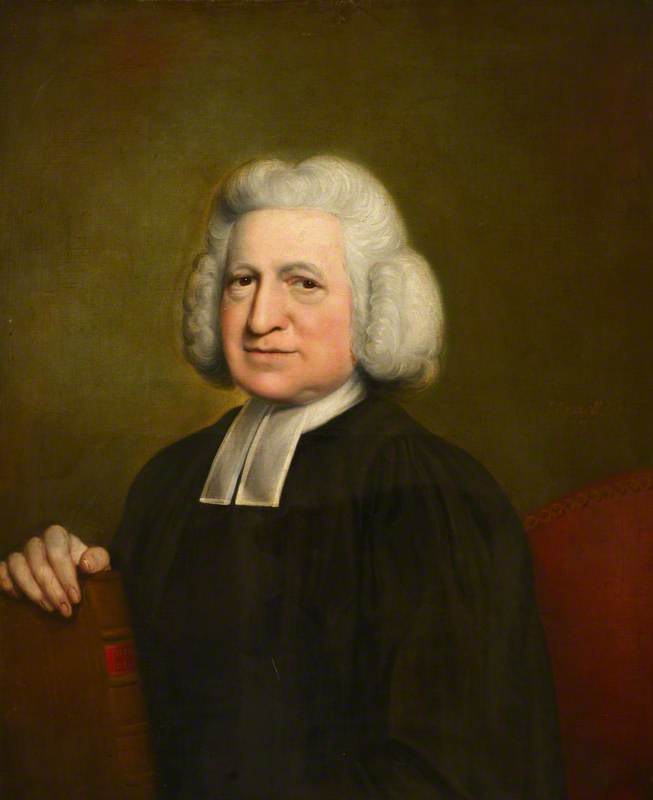
Charles Wesley
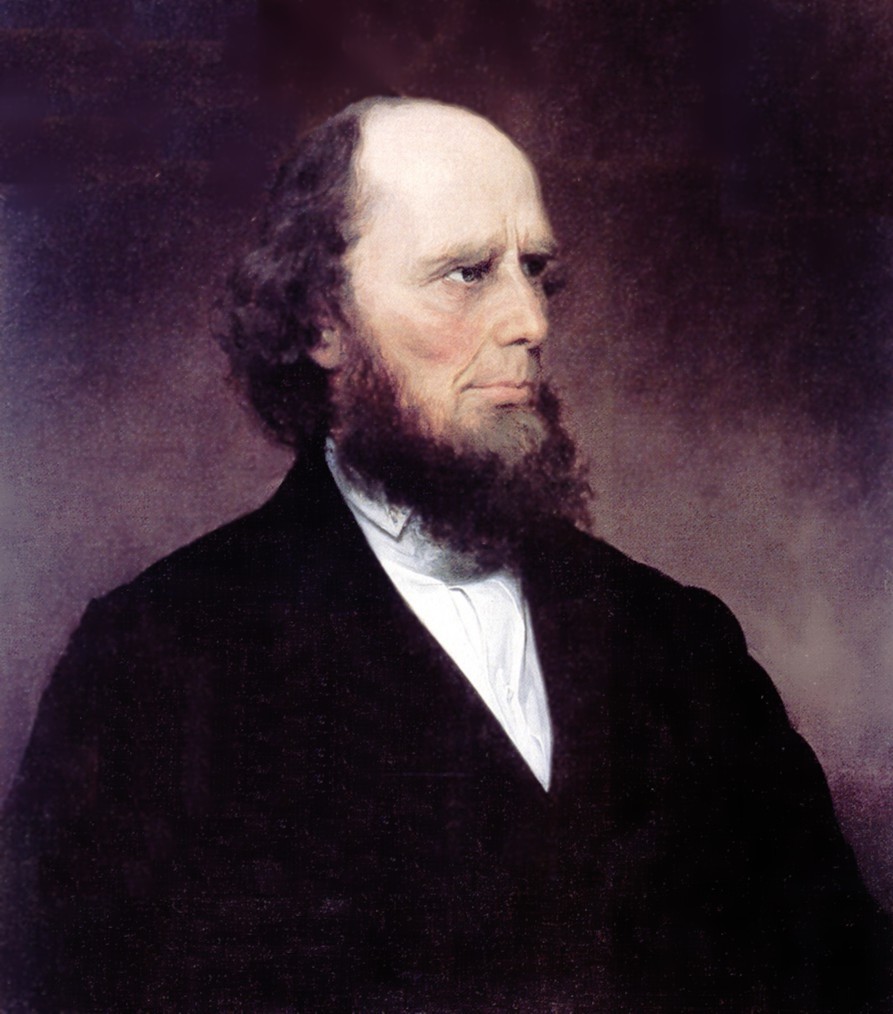
Charles Finney
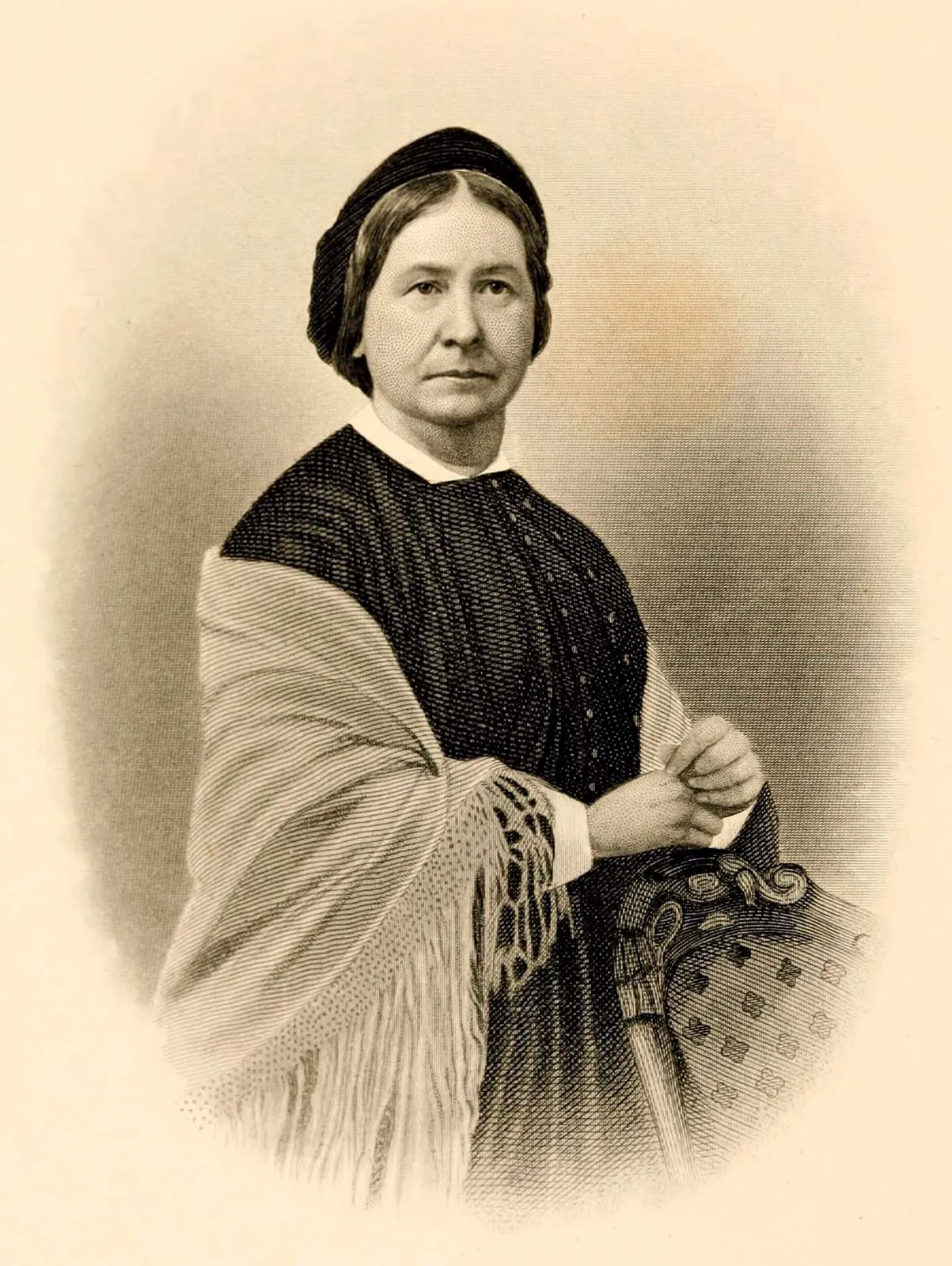
Phoebe Palmer
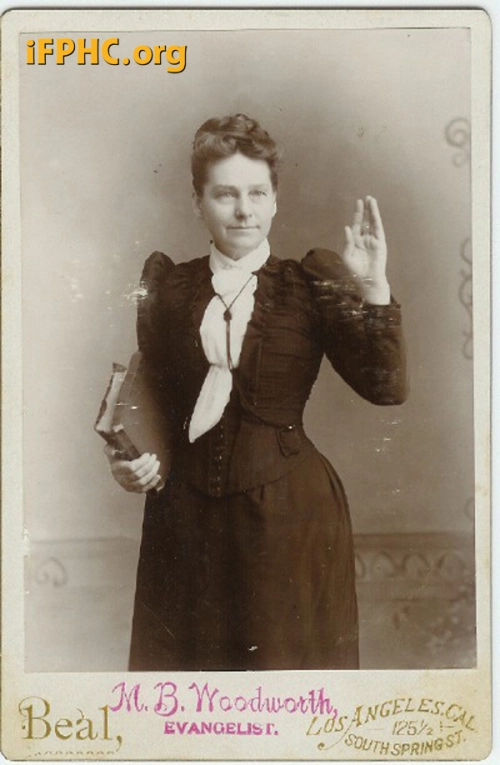
Maria Woodworth-Etter
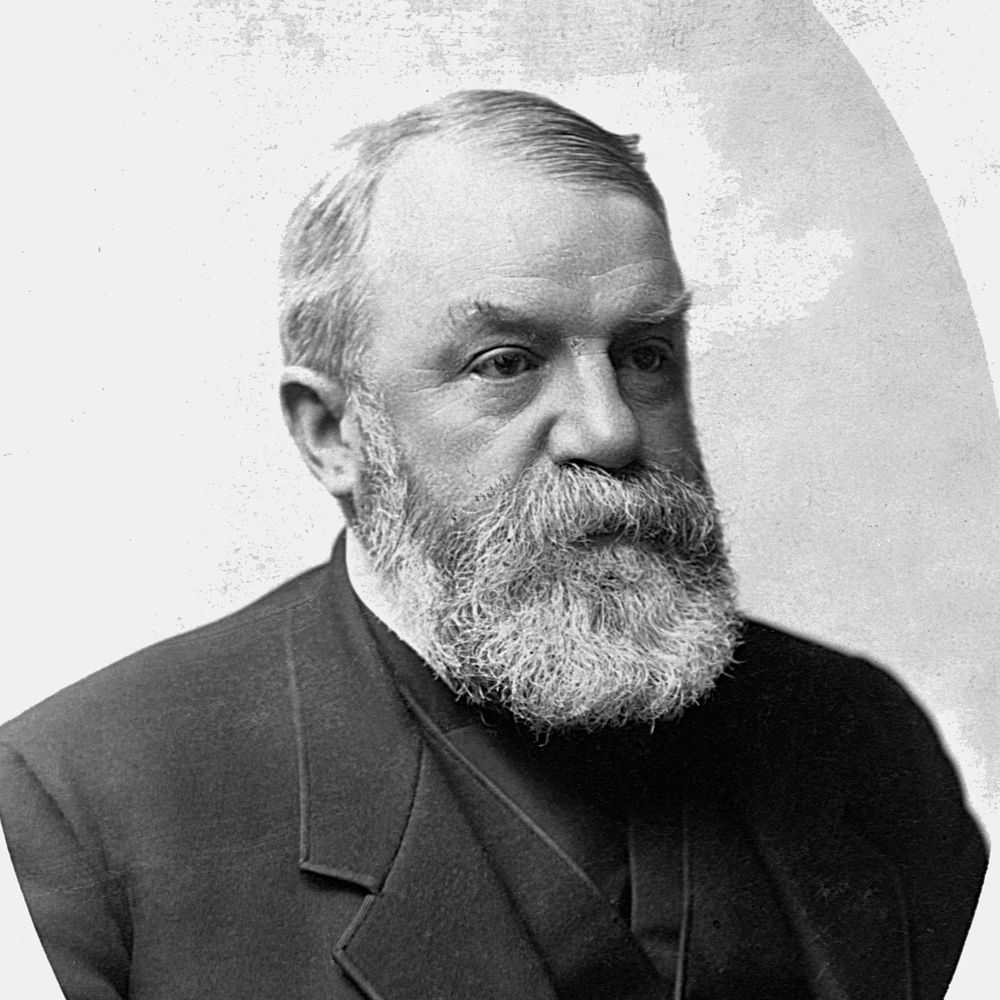
Dwight L. Moody
1901.
INTERNATIONAL CONTEXT:
The direct precursors to the modern Pentecostal movement are found in the evangelical and holiness movements of the 18th-19th centuries. Examples include: Nicholas von Zinzendorf in the Moravian Brethren at Herrnhut, the Wesley brothers and the Methodist Movement in England, Charles Finney, Phoebe Palmer, and others leading the holiness movements. Various healing movements also began during this period, including the ministries of Maria Woodworth-Etter and Dwight L. Moody.
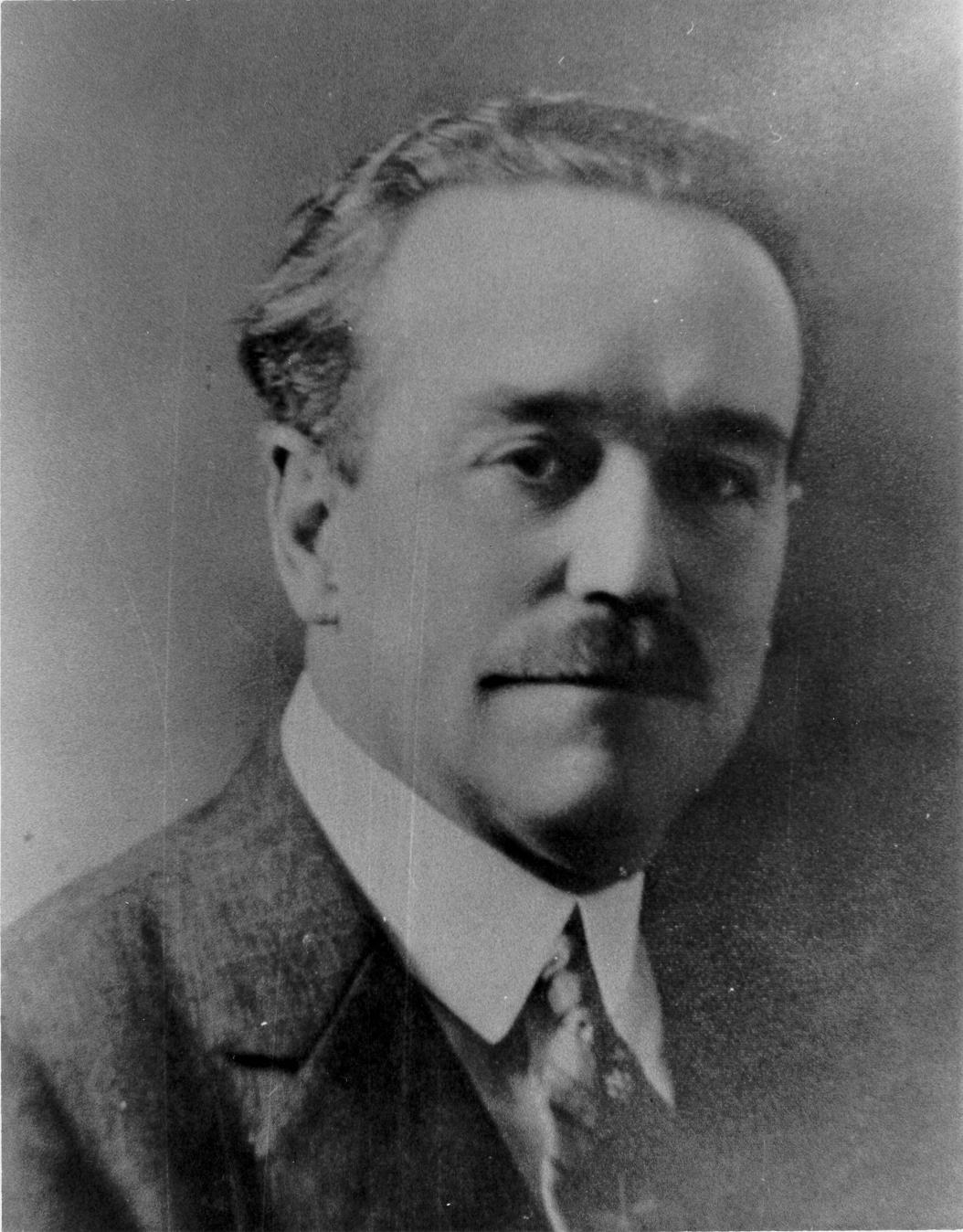
Charles F. Parham
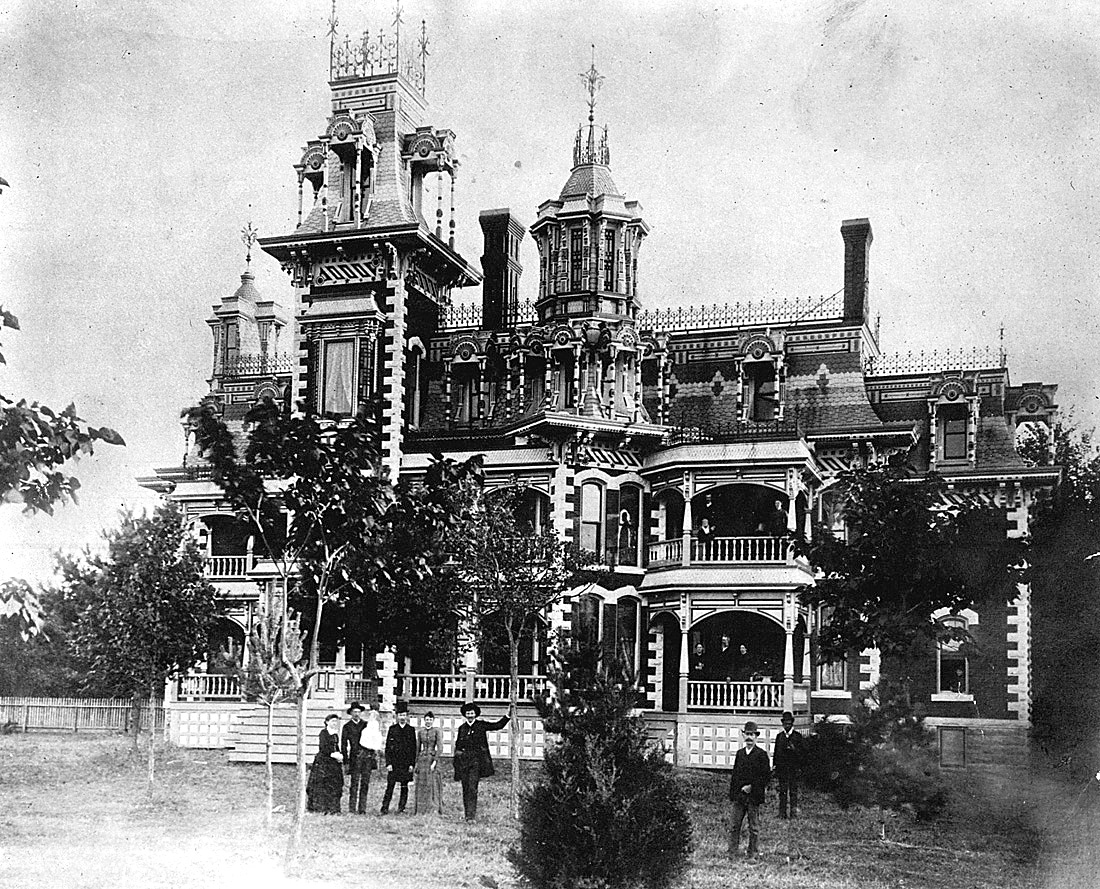
Bethel Bible College
Topeka, Kansas
1906.
INTERNATIONAL CONTEXT:
William Seymour (1870-1922), an African American who studied at C. F. Parham’s Bible school, started the Pentecostal movement from his congregation in Los Angeles (312 Azusa Street). Many new missionaries received their call here and spread the gospel across the world. Their teachings and practices illustrate the early Pentecostal movement’s values and perspectives: they saw the baptism of the Holy Spirit as an event distinct from conversion, emphasized evangelism and church planting, and believed in the power of Jesus’ blood and the Holy Spirit to break ethnic barriers, while also allowing women to minister. They widely used written materials and contemporary media to spread the Pentecostal message.
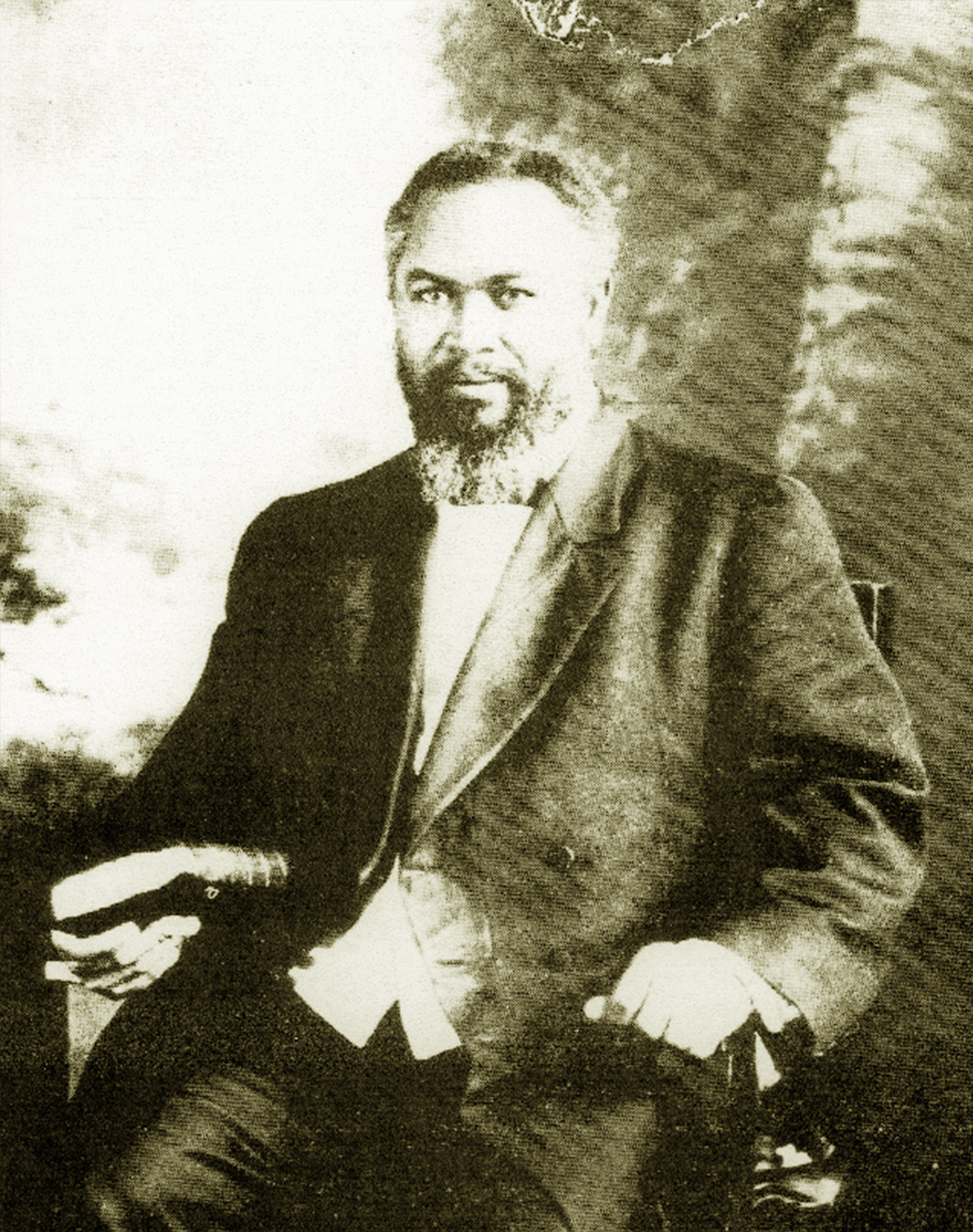
William J. Seymour
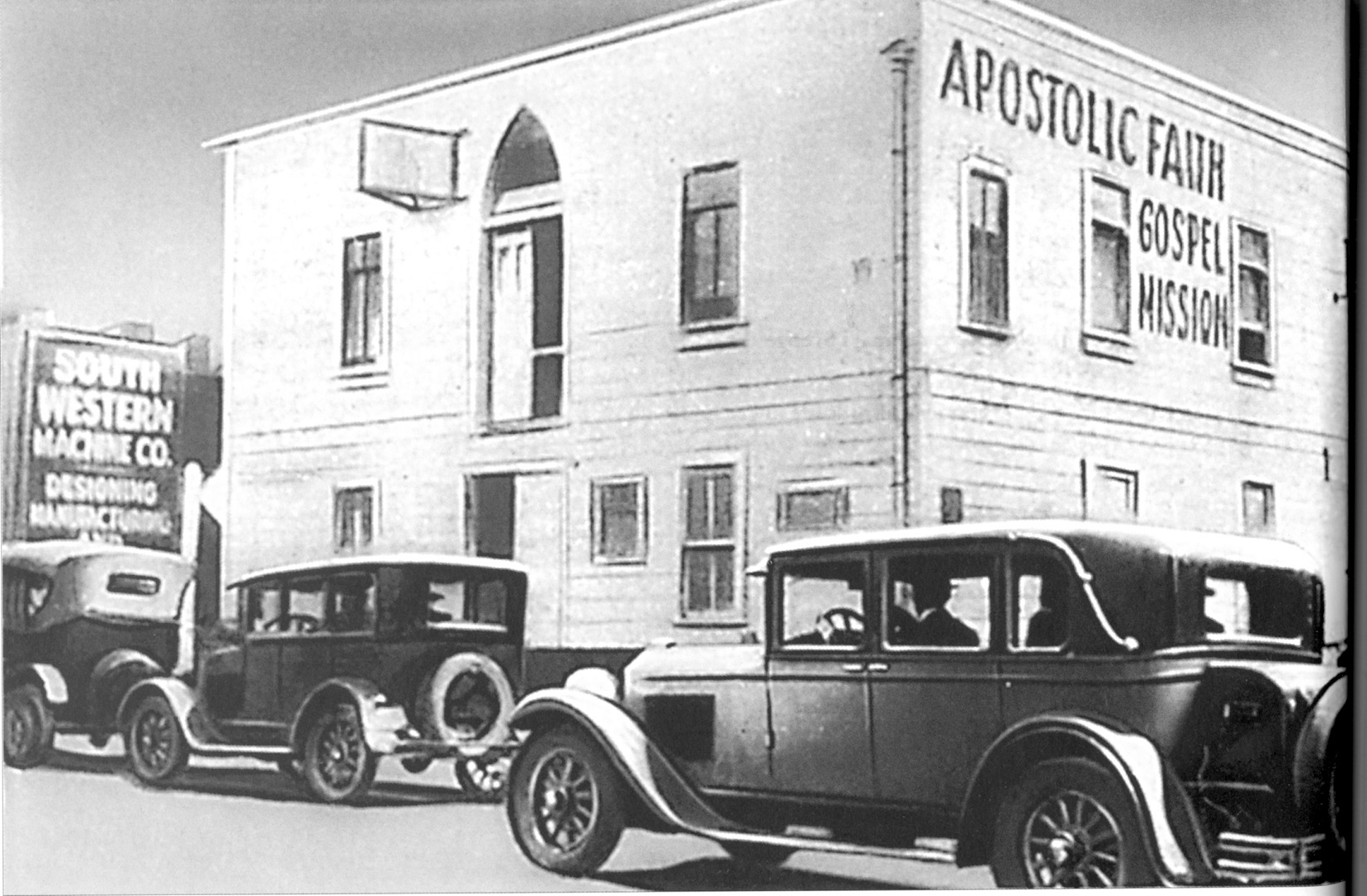
Azusa str
In September 1906, Seymour’s congregation launched the “Apostolic Faith” magazine, which helped spread news, testimonies, and biblical teachings about the Azusa Street and similar revivals across the United States.
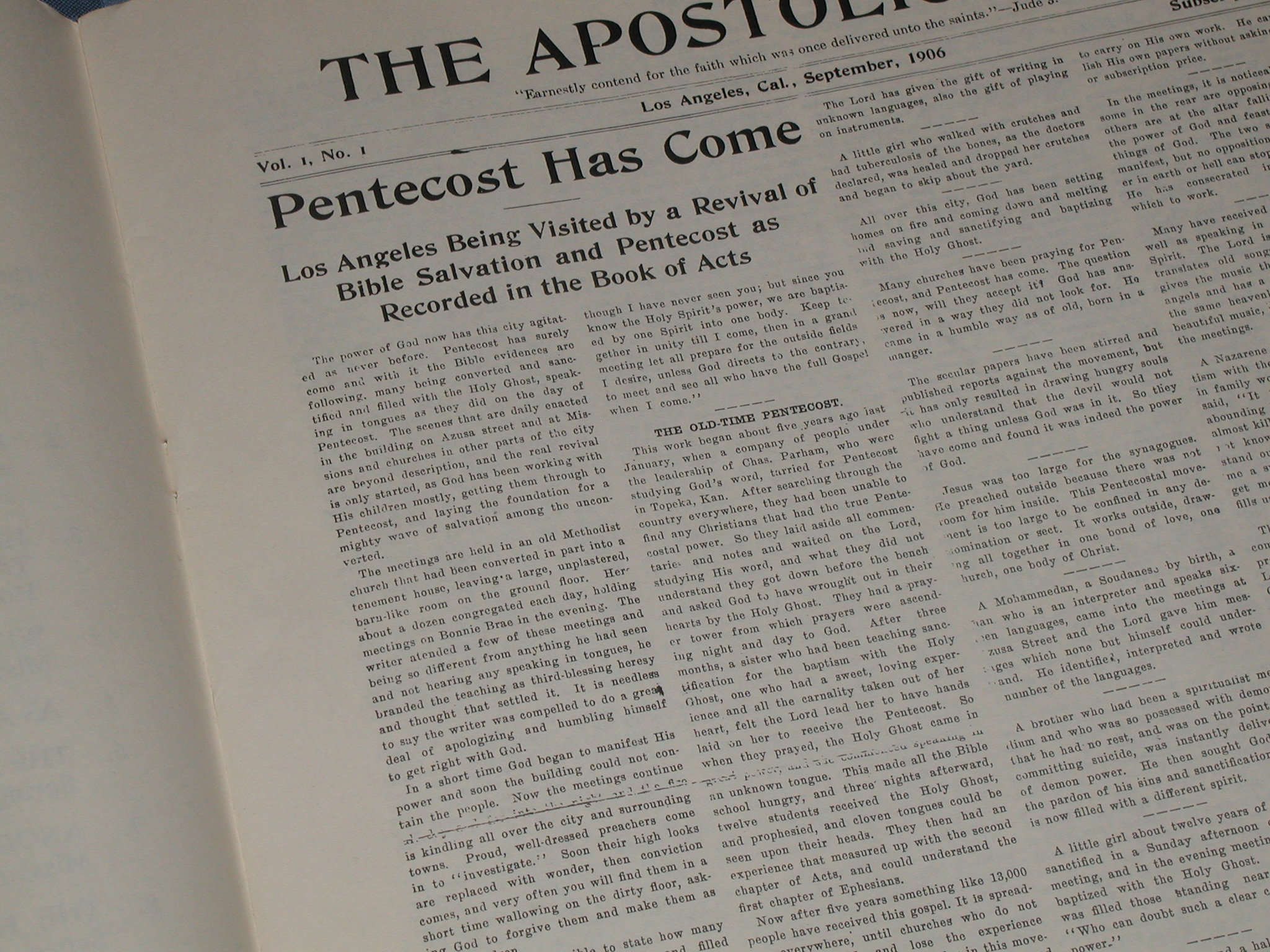
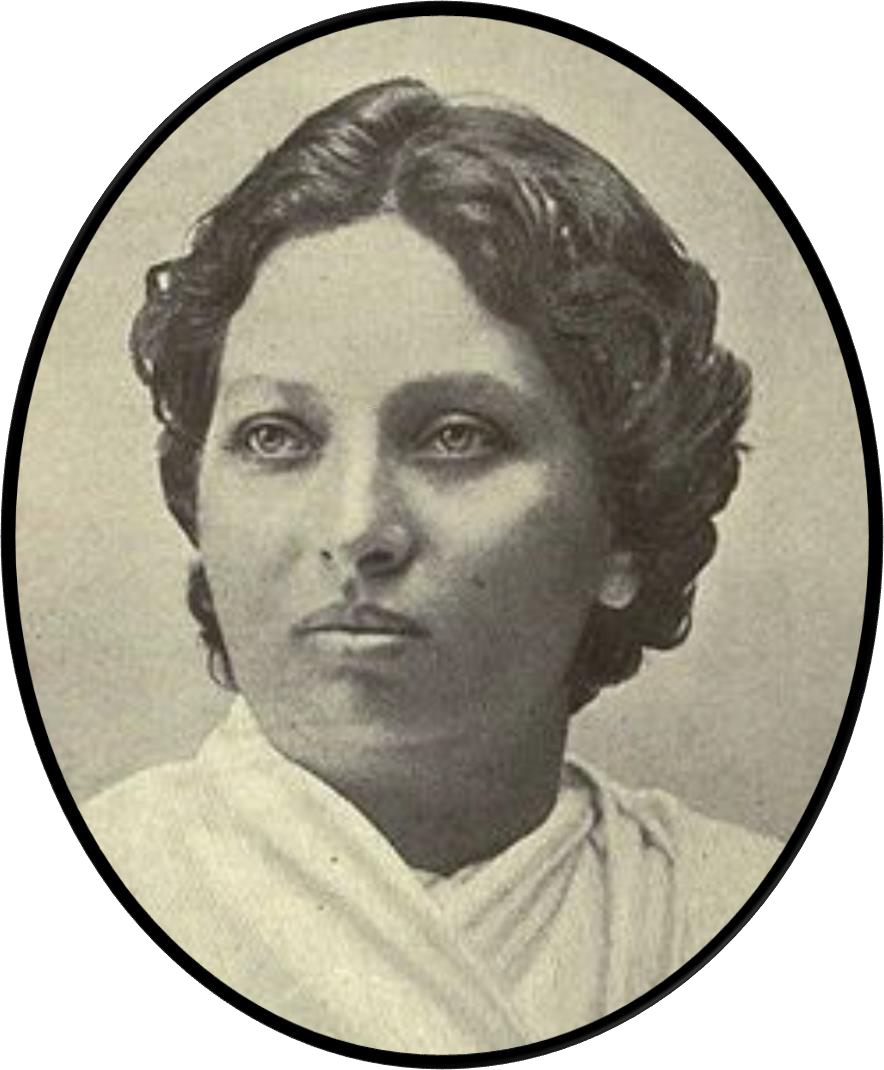
The Los Angeles Pentecostal revival was not the only one during this period. Independent Holy Spirit-inspired movements began worldwide, such as in Armenia in the 1880s, Korea around 1907, the Mukti women’s mission led by Pandita Ramabai in India from the late 1800s, and the Pentecostal revival led by missionary Willis Collins Hoover in Chile.
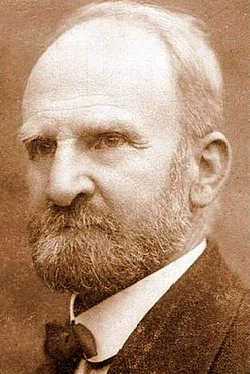
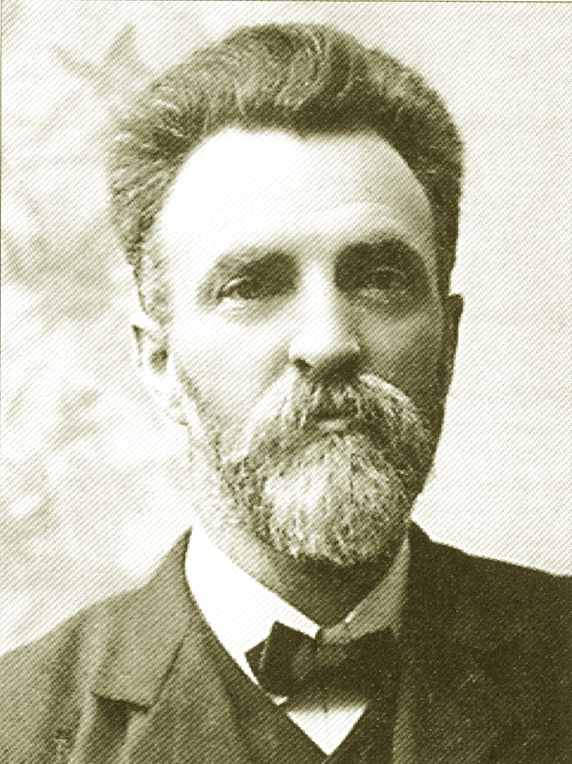
Thomas B. Barratt, a Norwegian pastor born in England, encountered the Pentecostal movement during a trip to New York and received the baptism of the Holy Spirit. His ministry sparked the Norwegian Pentecostal revival, influencing Europe.
1907.
INTERNATIONAL CONTEXT:
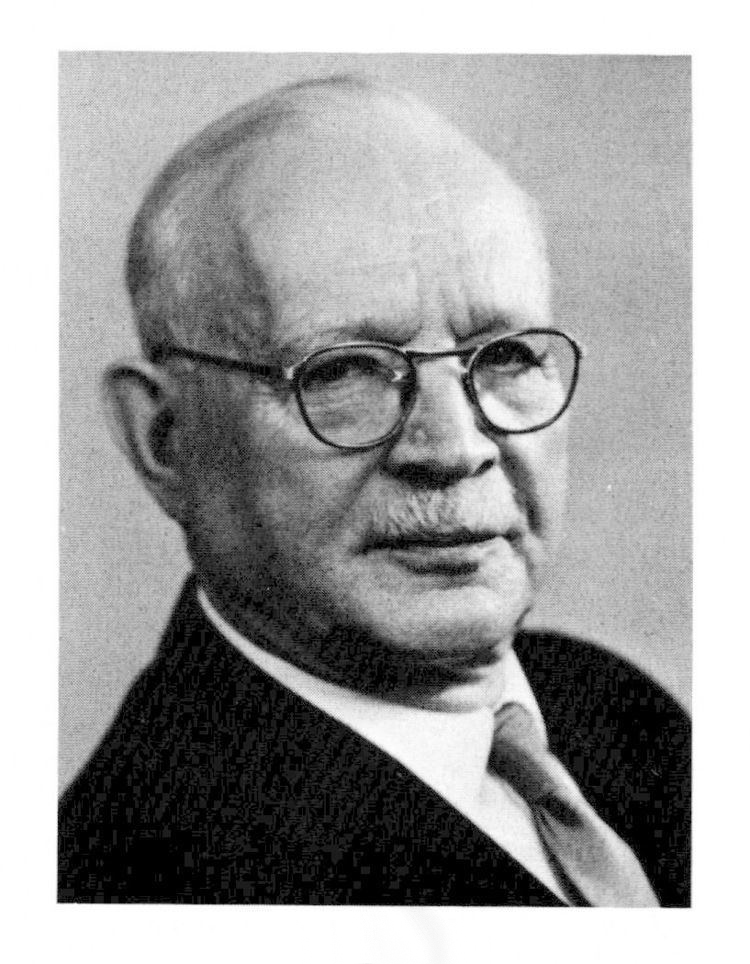
Through T. B. Barratt’s ministry, Swedish pastor Lewi Pethrus (1884-1974) was also filled with the Holy Spirit. He is considered the founder of one of Europe’s largest Pentecostal communities. Like Barratt, Pethrus traveled extensively, spreading the newly discovered Pentecostal message across Europe.
1910s
1923.
HUNGARIAN CONTEXT:
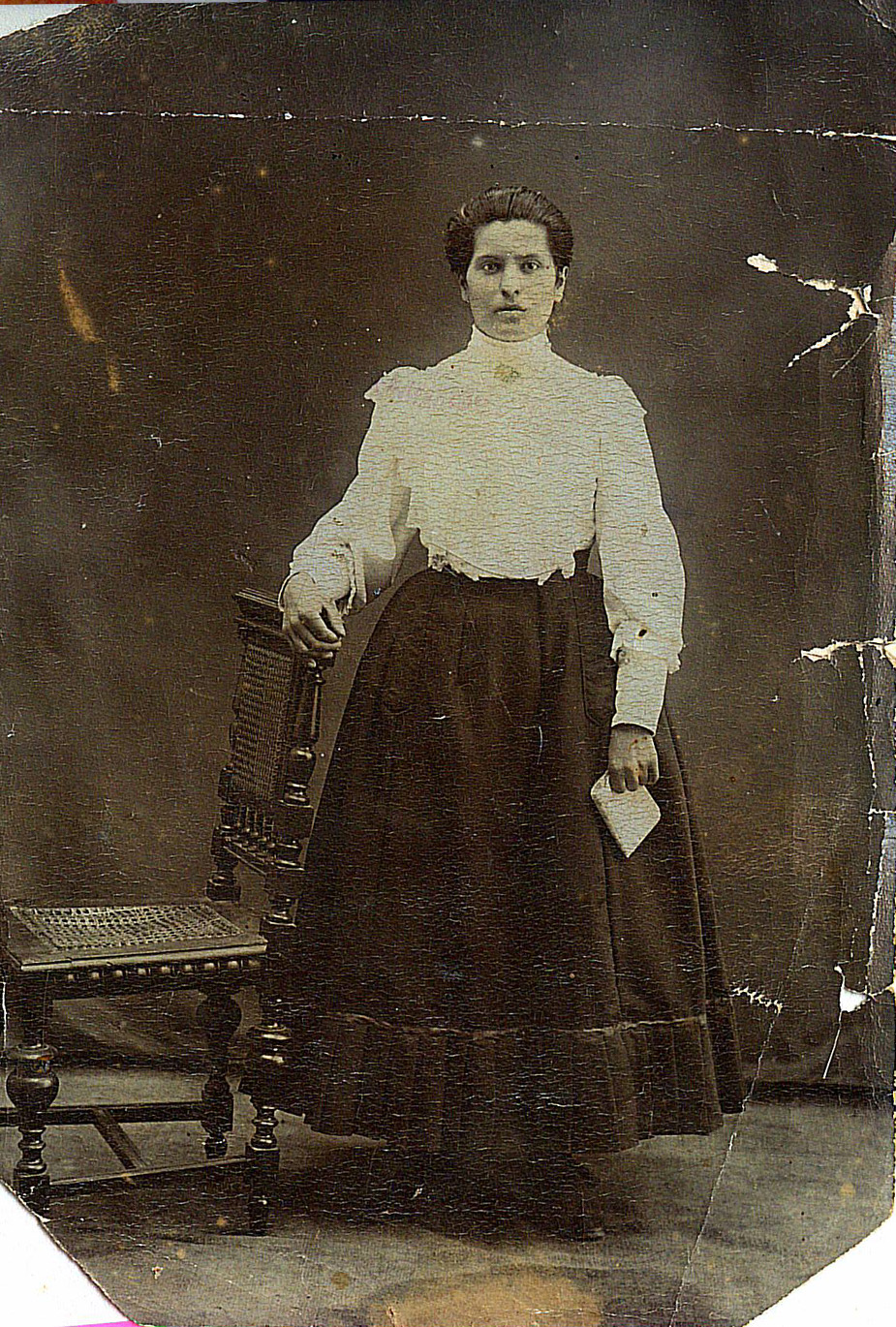
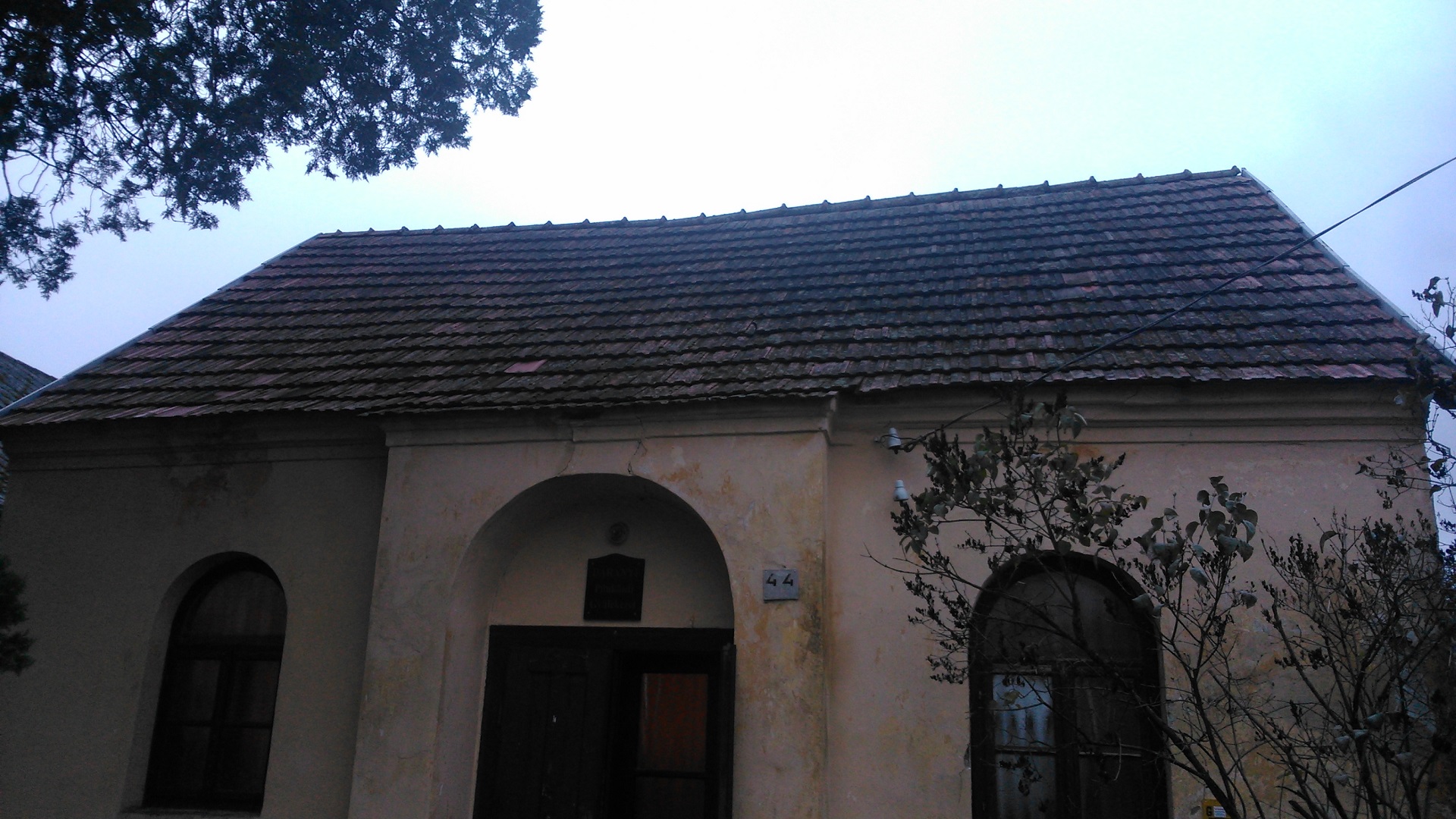
In 1911, József Szalai and his wife Lídia emigrated to Cleveland, USA, where they encountered Pentecostals. They returned to Hungary in 1921 to preach the gospel. Their work led to the establishment of a congregation, and in 1923, the first Pentecostal prayer house in Hungary was inaugurated in Darány.
1924.
HUNGARIAN CONTEXT:
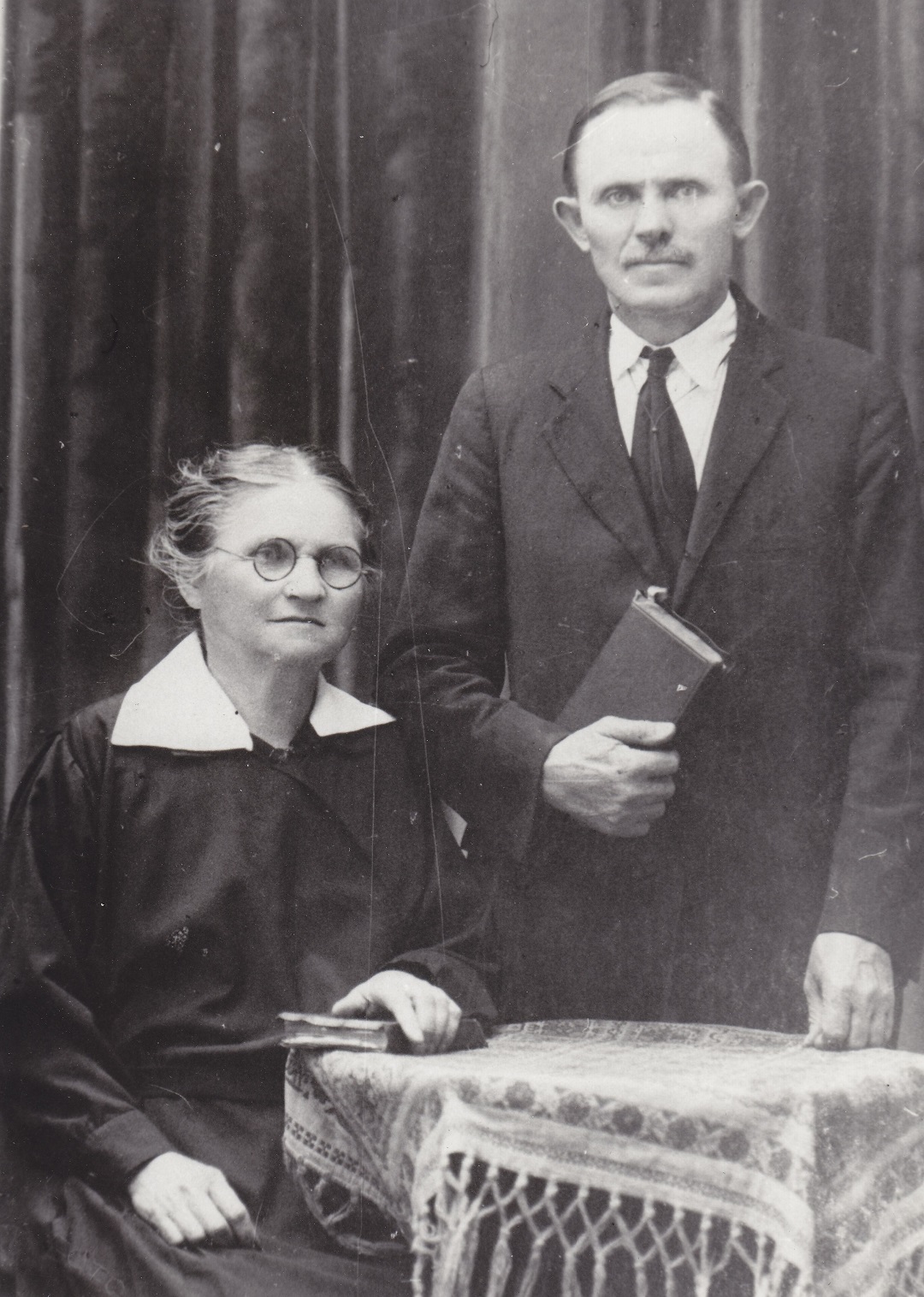
János Lerch also arrived from America for the Hungarian mission, holding revival meetings among the German population in Tolna. The Ministry of Religion and Public Education dealt with the Pentecostals as early as 1924, seeking the opinion of Reformed Church leaders about a booklet by a Pentecostal author.
1926.
HUNGARIAN CONTEXT:
Imre Mihók (1881-1952), born in Bakonycsernye, emigrated to Detroit (USA) in 1907, where he met Pentecostal believers. He repeatedly returned to Hungary to preach the gospel in the Bakony and various parts of the country. His ministry also extended to neighboring countries, contributing to the Pentecostal movements in Slovenia and Croatia.
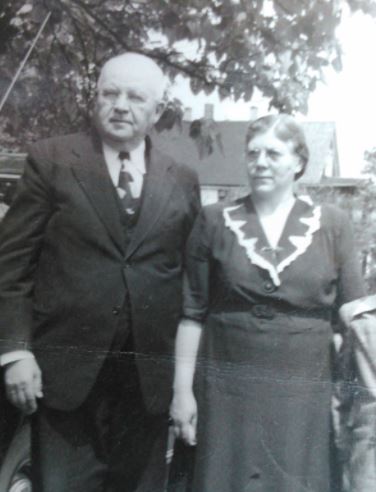
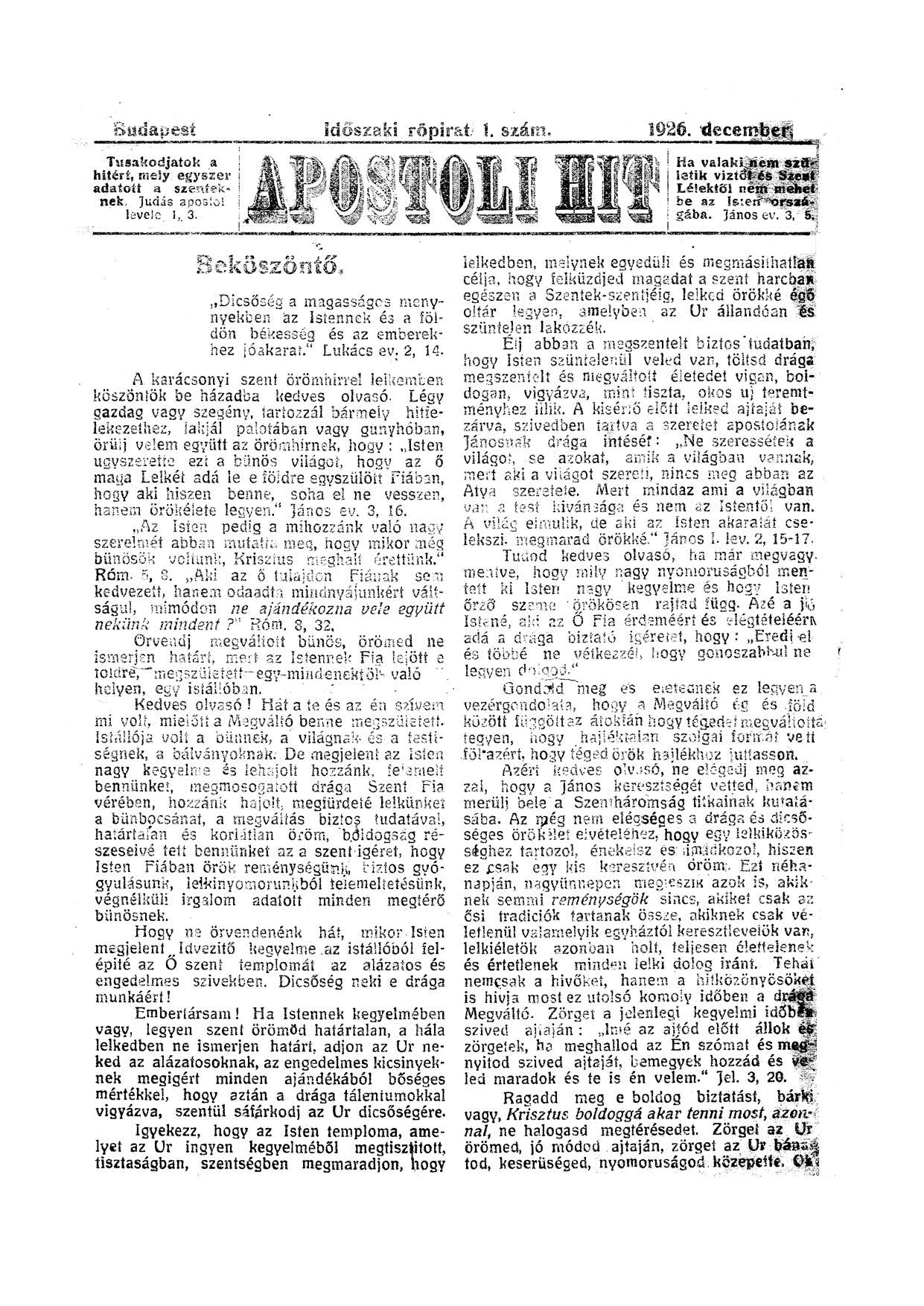
A significant moment in the development of the Pentecostal movement was the conference organized by existing Pentecostal congregations in Csetény in December 1926.
Pentecostals launched the “Apostolic Faith” publication, initially a periodic leaflet.
1927.
HUNGARIAN CONTEXT:
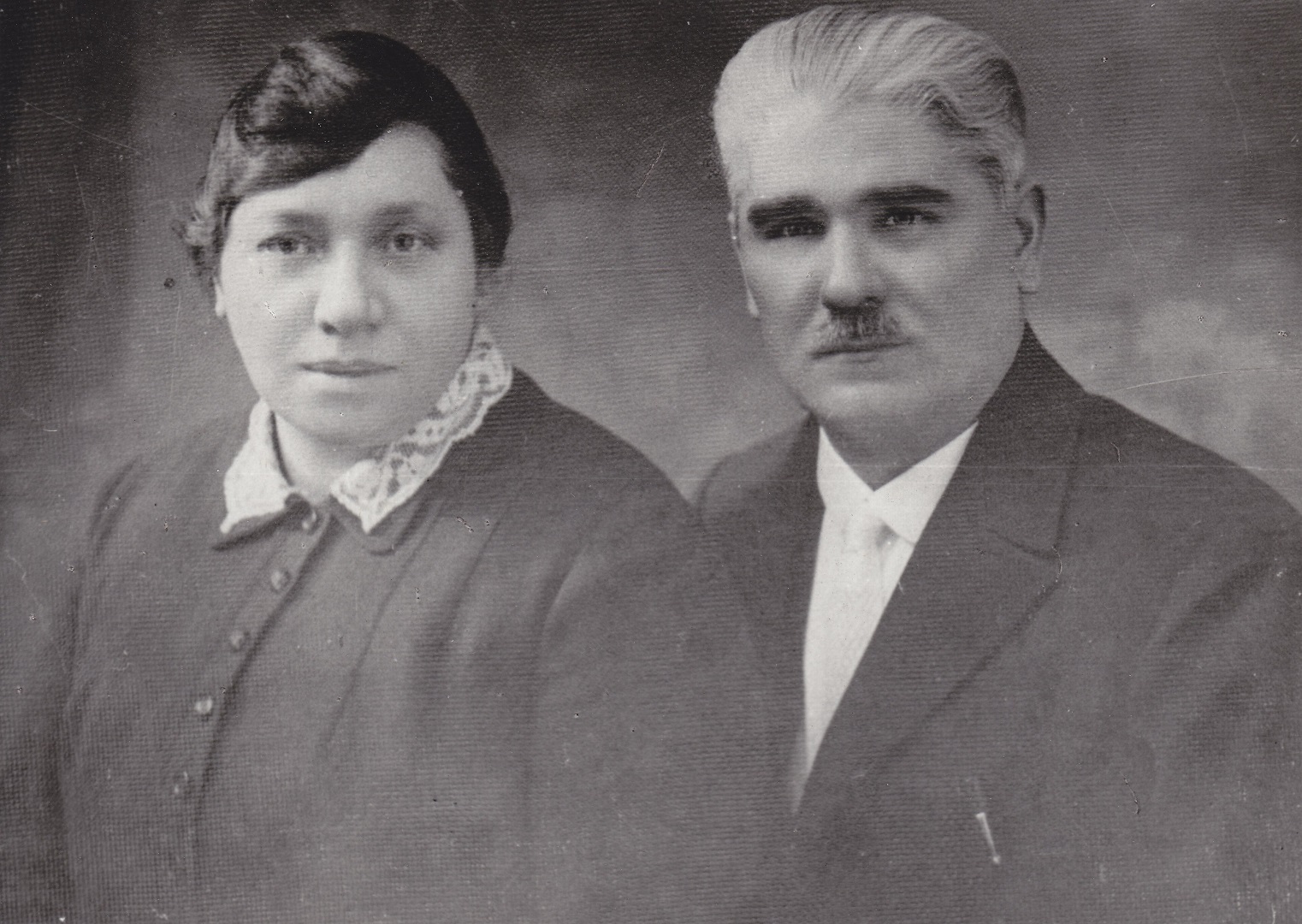
Dezső Rároha (1884-1947), born in Miskolc, emigrated to the United States in 1905, where he adopted the name David for convenience. He joined the Pentecostal movement in 1918, becoming an ordained evangelist and pastor in the Assemblies of God. In 1927, he moved to Hungary as an Assemblies of God missionary.
1928.
HUNGARIAN CONTEXT:
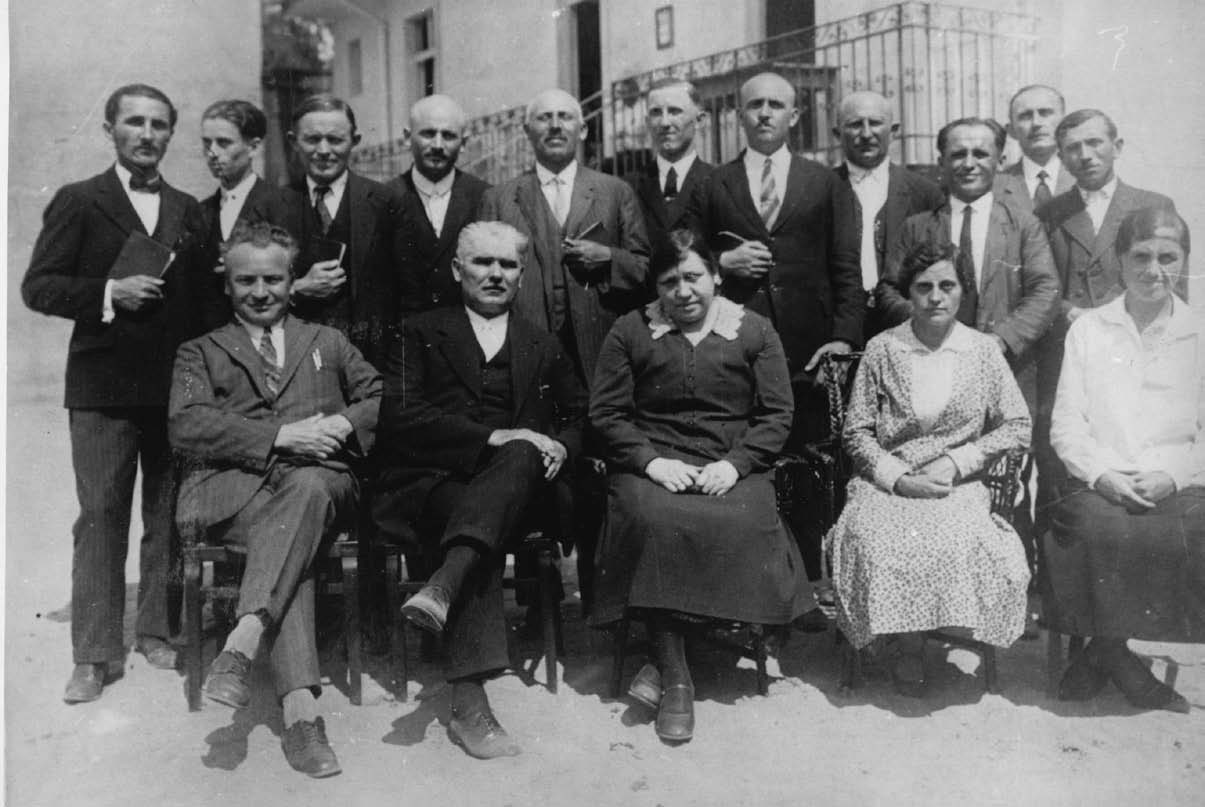
Dezső Rároha and his wife began uniting the independently operating Pentecostal congregations. They took over the editing and publishing of the “Apostolic Faith” Pentecostal magazine, translated the beliefs and organizational regulations of the American denomination, visited Pentecostal congregations across the country, and pastored the Kispest Congregation. Their work led to the establishment of the first Hungarian Pentecostal denomination under the name “Alliance of God’s Congregations in Hungary.”
1935.
1939.
INTERNATIONAL CONTEXT:
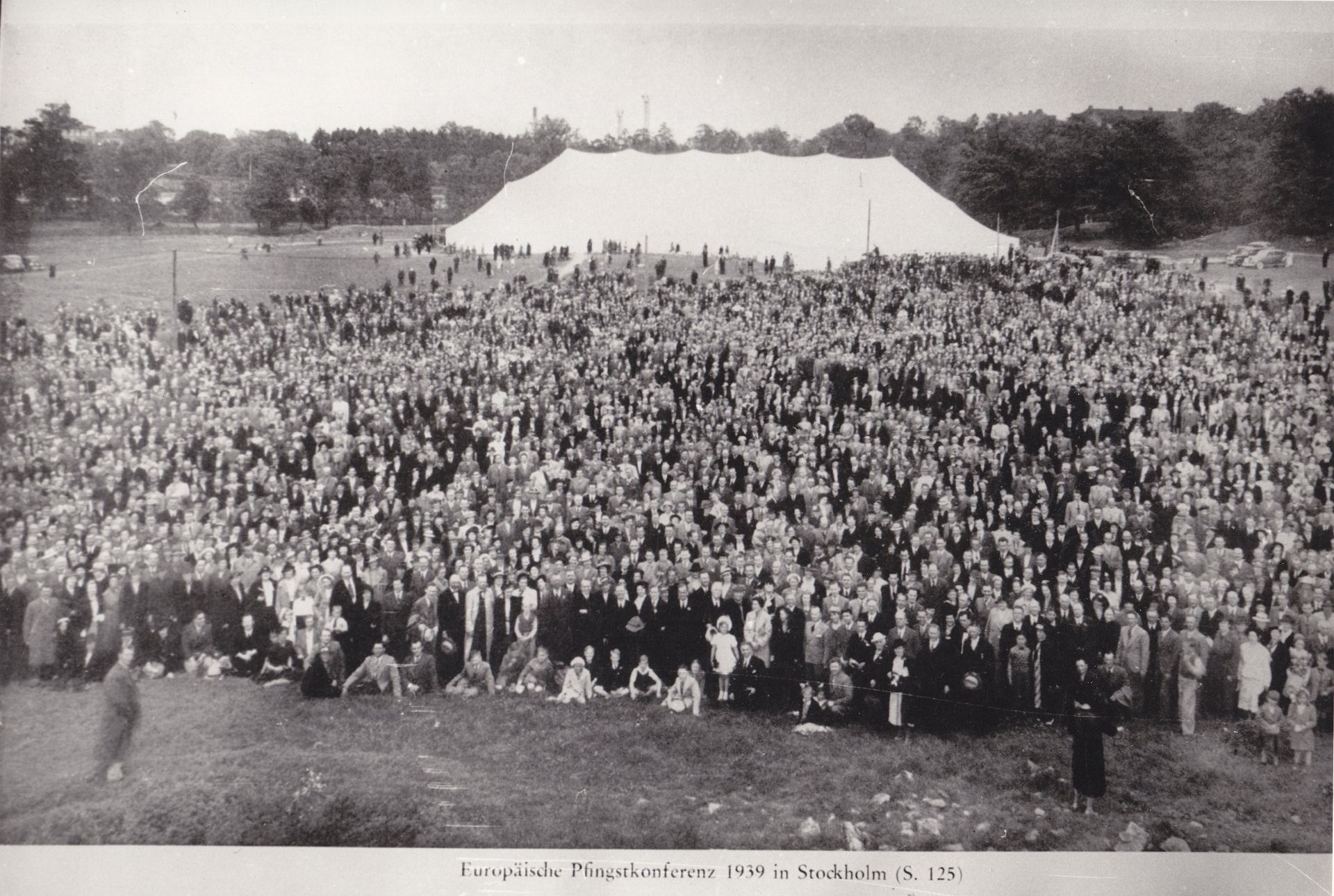
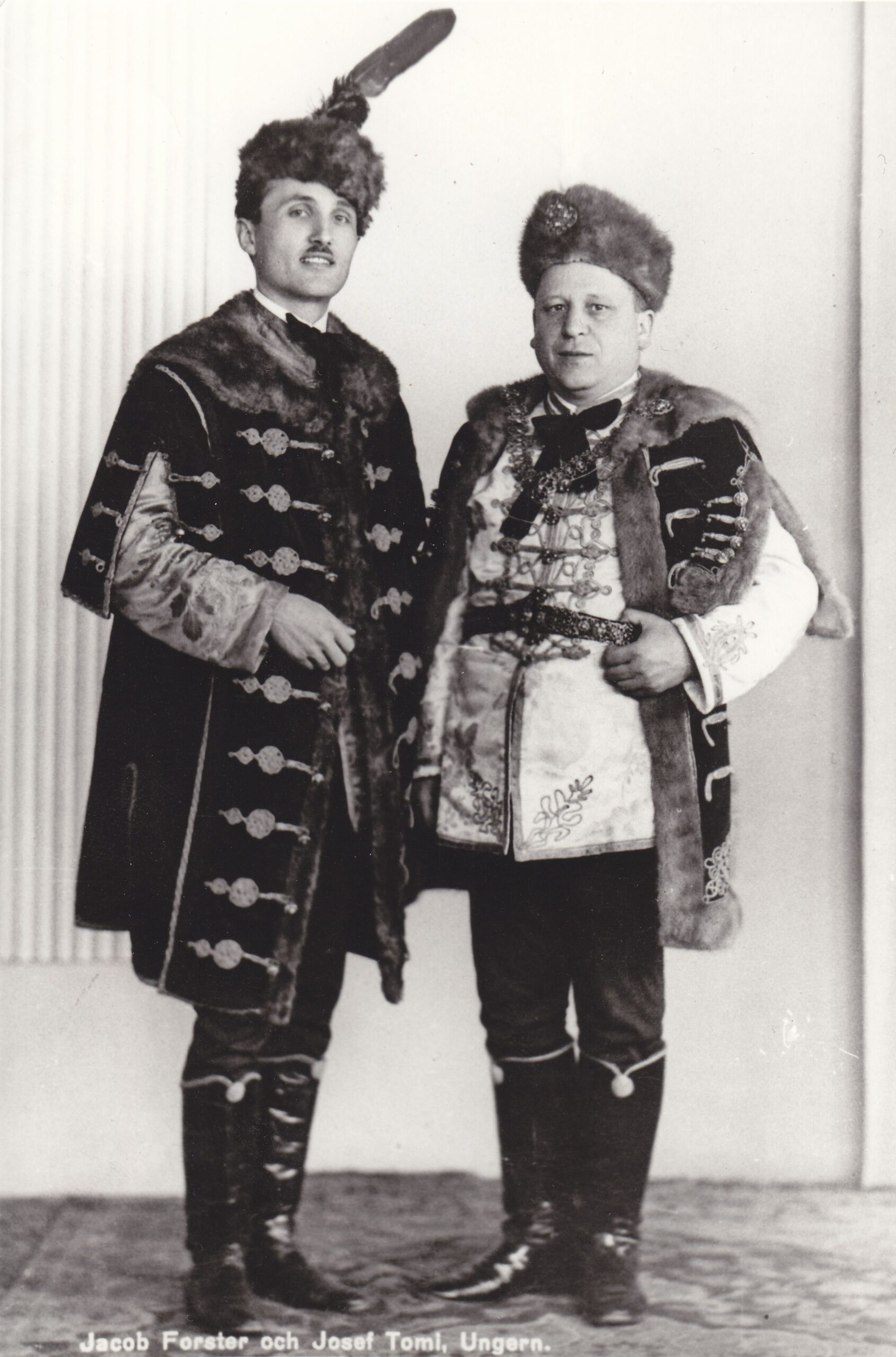
The first Pentecostal Europe Conference was organized in Stockholm, Sweden, with Hungarian Pentecostals represented by József Tomi, István Siroki, and Jakab Forster.
HUNGARIAN CONTEXT:
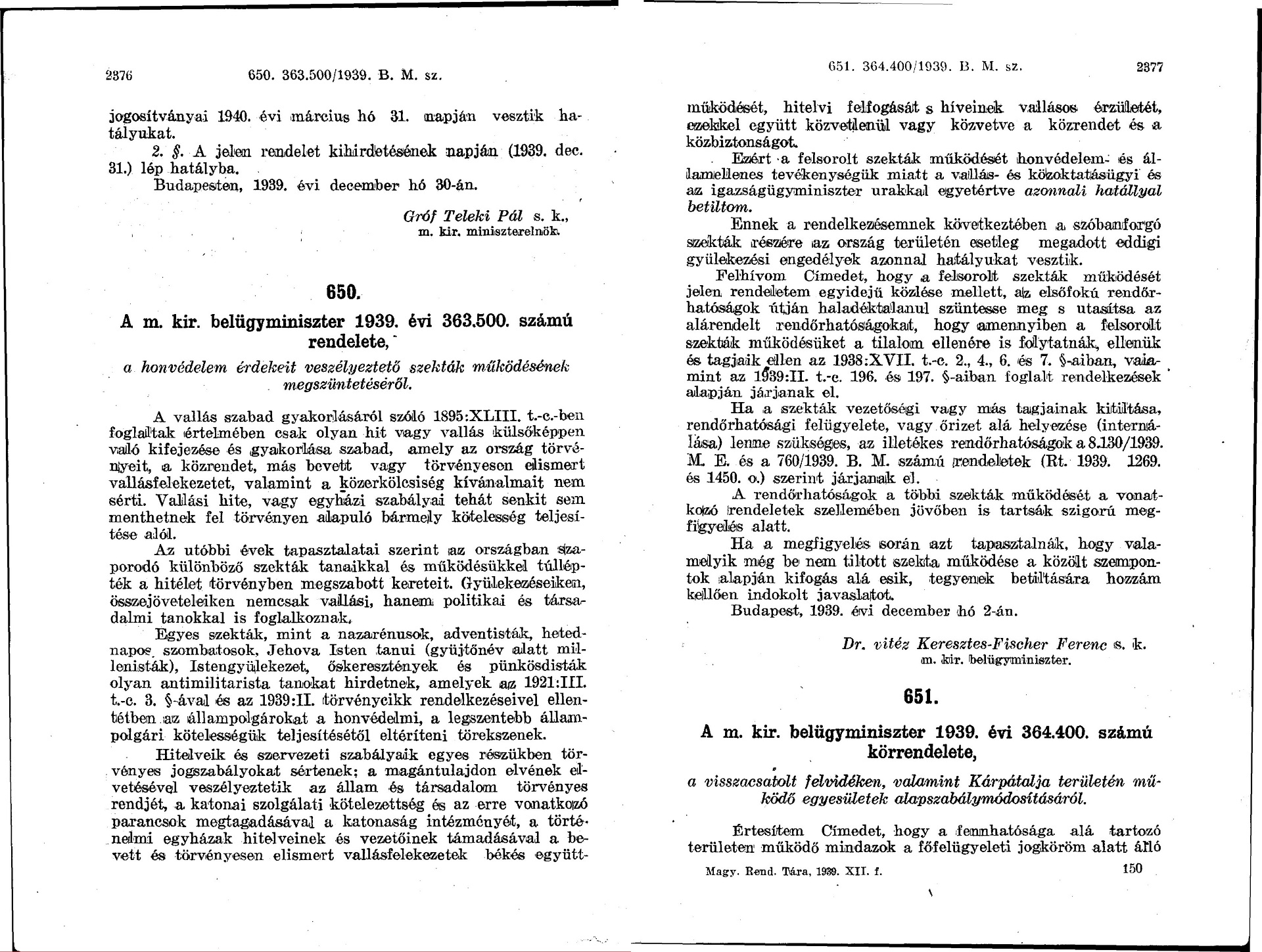
On December 2, Minister of the Interior Ferenc Keresztes-Fischer, citing defense interests, banned the activities of all minor religious communities, except for Methodists and Baptists, including both Pentecostal denominations. Some Pentecostal congregations received legal protection for worship from the Lutheran Church in Hungary, while others were protected by Baptists and Methodists. In many parts of the country, especially rural areas, Pentecostals gathered illegally for worship.
1939-1949.
1944.
1946.
1947.
INTERNATIONAL CONTEXT:
In May 1947, Leonard Steiner, David J. du Plessis, J Roswell Flower, and Donald Gee organized a world conference for Pentecostal leaders in Zurich. At this conference, the Pentecostal World Fellowship was established.
1951.
1960s
1961.
INTERNATIONAL CONTEXT:
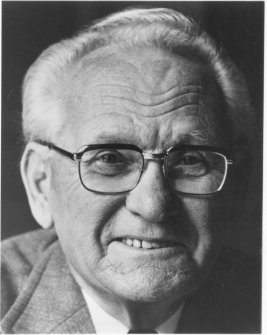
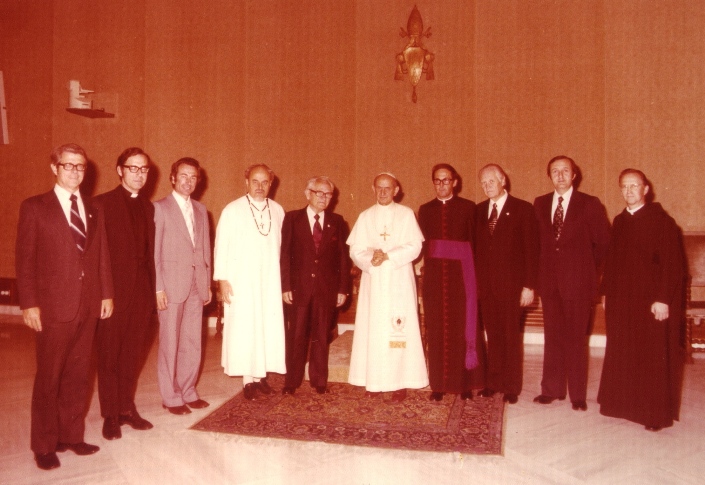
Through David du Plessis’ ecumenical service, Pentecostals began reaching out to other churches. As a result, Du Plessis was invited to the World Council of Churches’ congress in New Delhi, and from 1963, he participated as an external observer at the sessions of the Second Vatican Council. He maintained an active relationship with one of the leaders of the Catholic charismatic movement, Belgian Cardinal Leo Joseph Suenens.
1962.
HUNGARIAN CONTEXT:
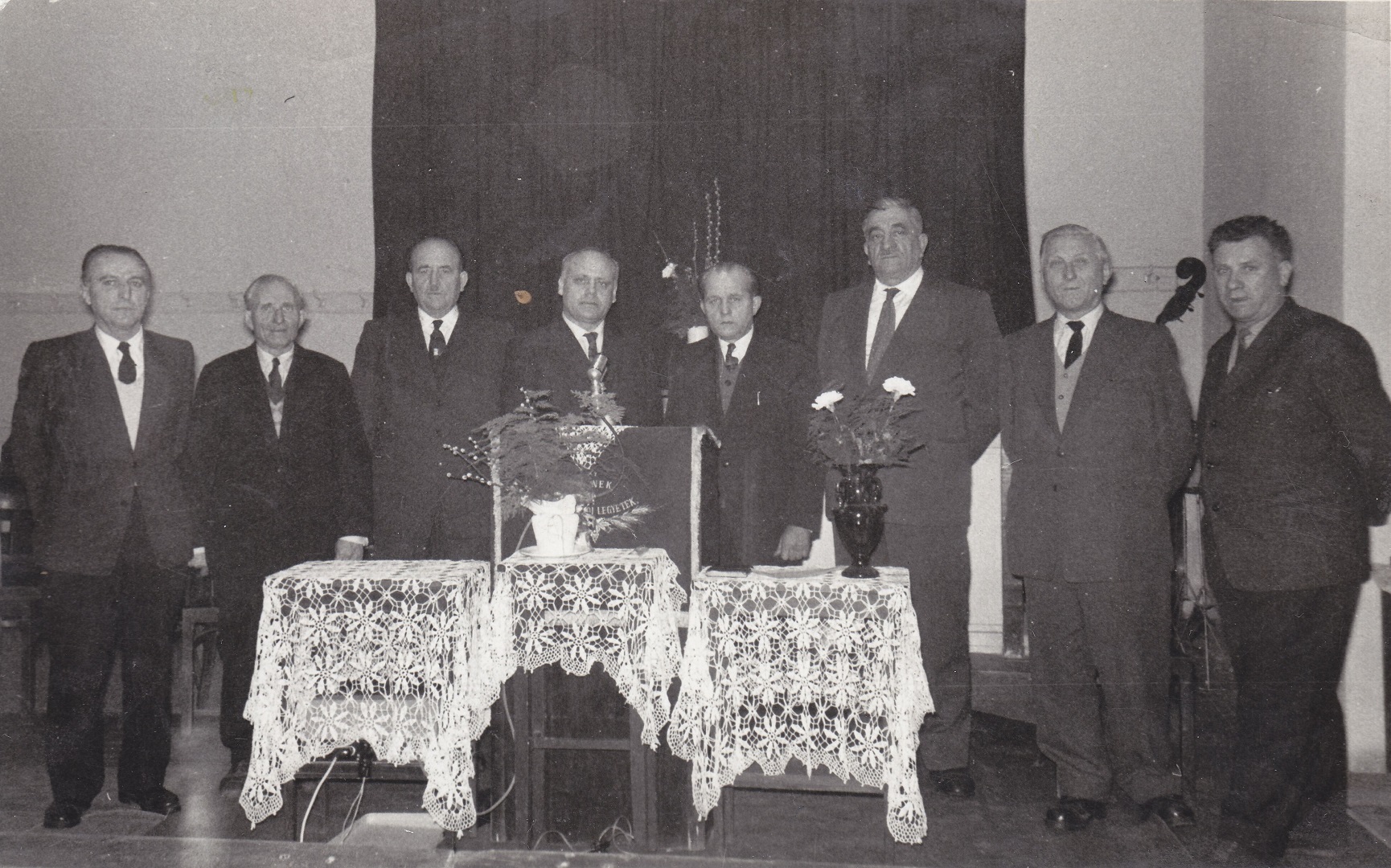
The two main Pentecostal movements, the Evangelical Christians and the Evangelical Pentecostal Church, merged. The newly formed denomination, called the “Evangelical Pentecostal Community” (EPC), represented the Pentecostal movement in Hungary for four decades.
1966.
INTERNATIONAL CONTEXT:
Several European Pentecostal organizations held a meeting in Rome and established the European Pentecostal Fellowship.
1966. Rome, Italy
1967.
HUNGARIAN CONTEXT:
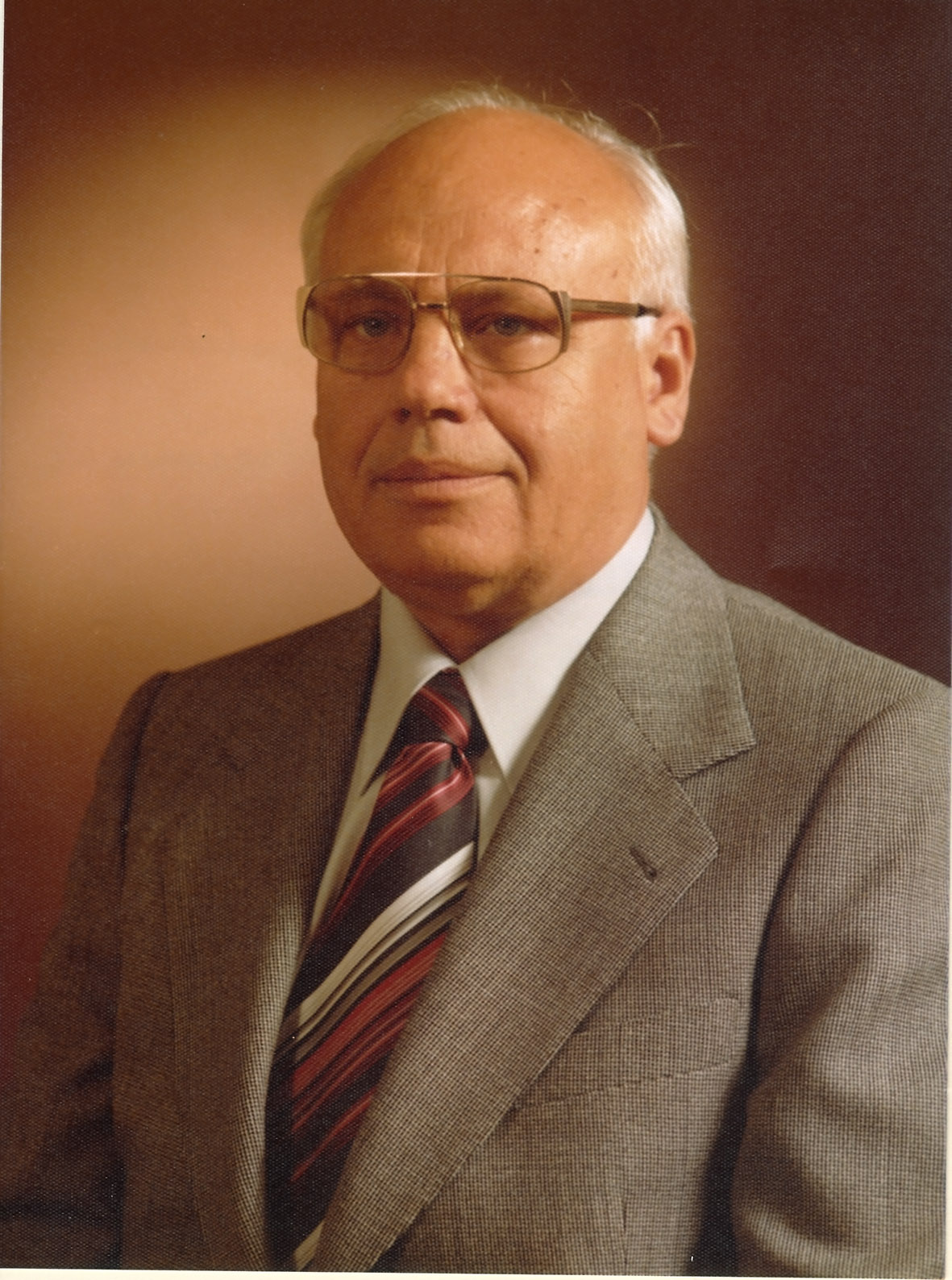
The Council of Free Churches launched a Theological Training Institute for the training of pastors and preachers of its member churches. President József Fábián was particularly dedicated to the training of preachers, seeing it as the key to addressing young people and the changing society. In 1972, the Reformed Theological Academy of Debrecen established a fraternal agreement with the Training Institute of the Free Church Council, allowing outstanding students to obtain college-level diplomas. In 1980, a similar agreement was reached with the Evangelical Academy of Budapest.
1969.
1972.
1974.
HUNGARIAN CONTEXT:
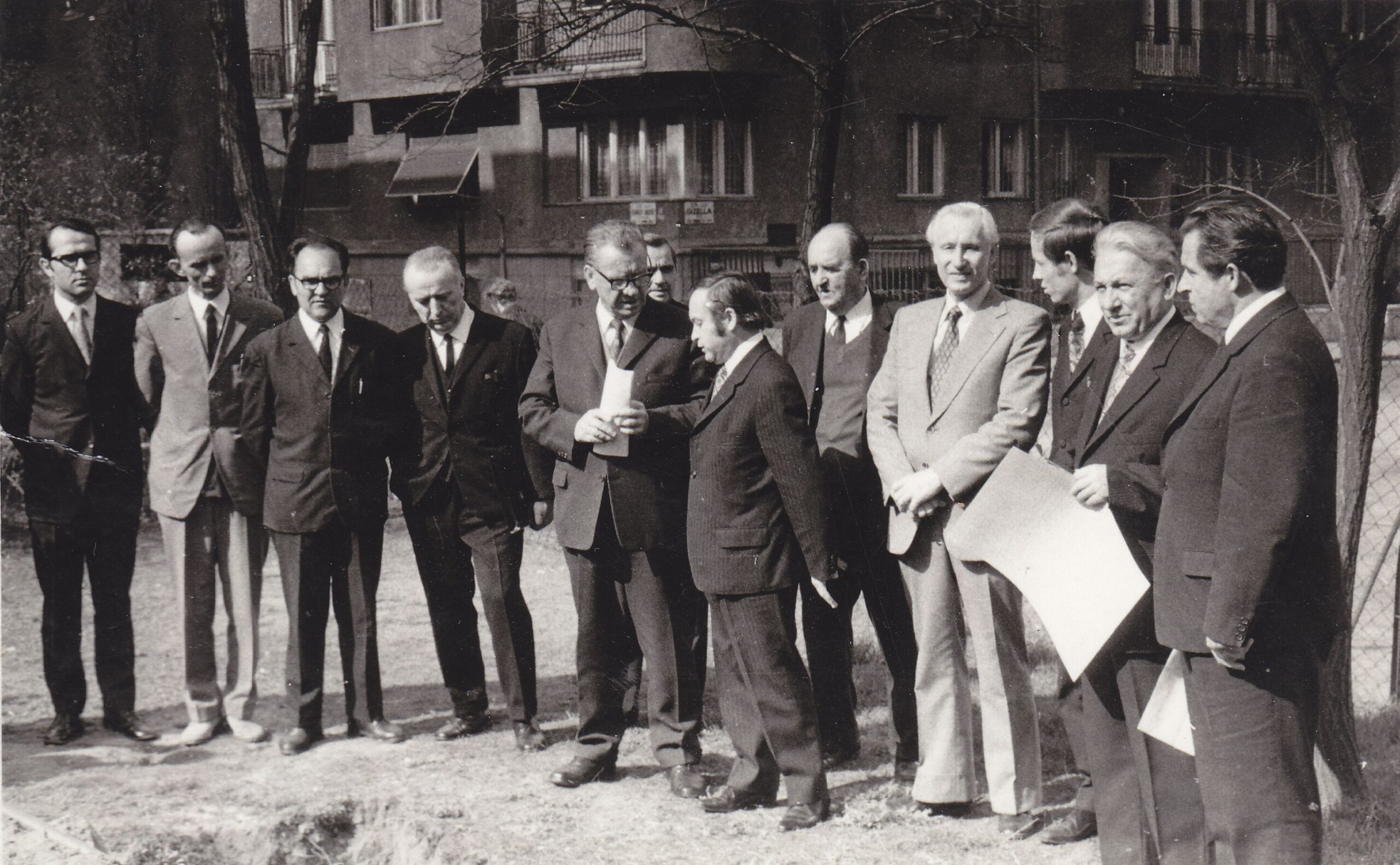
On March 24, in Zugló, the foundation stone for a new central office building and a congregation was laid at 37 Gizella Street with great ceremony.
1980s
1985.
HUNGARIAN CONTEXT:
Through the work of Attila Fábián and his wife, Erzsébet Simonfalvi, the Morning Star Rehabilitation Institute was established in Dunaharaszti, which also became the country’s first drug rehabilitation center. The intellectual and methodological foundations were laid with the help of the Swedish Lewi Pethrus Institute and the American Teen Challenge mission. The institution became a founding member of the Hungarian Association of Drug Therapy Institutes (MADRISZ).
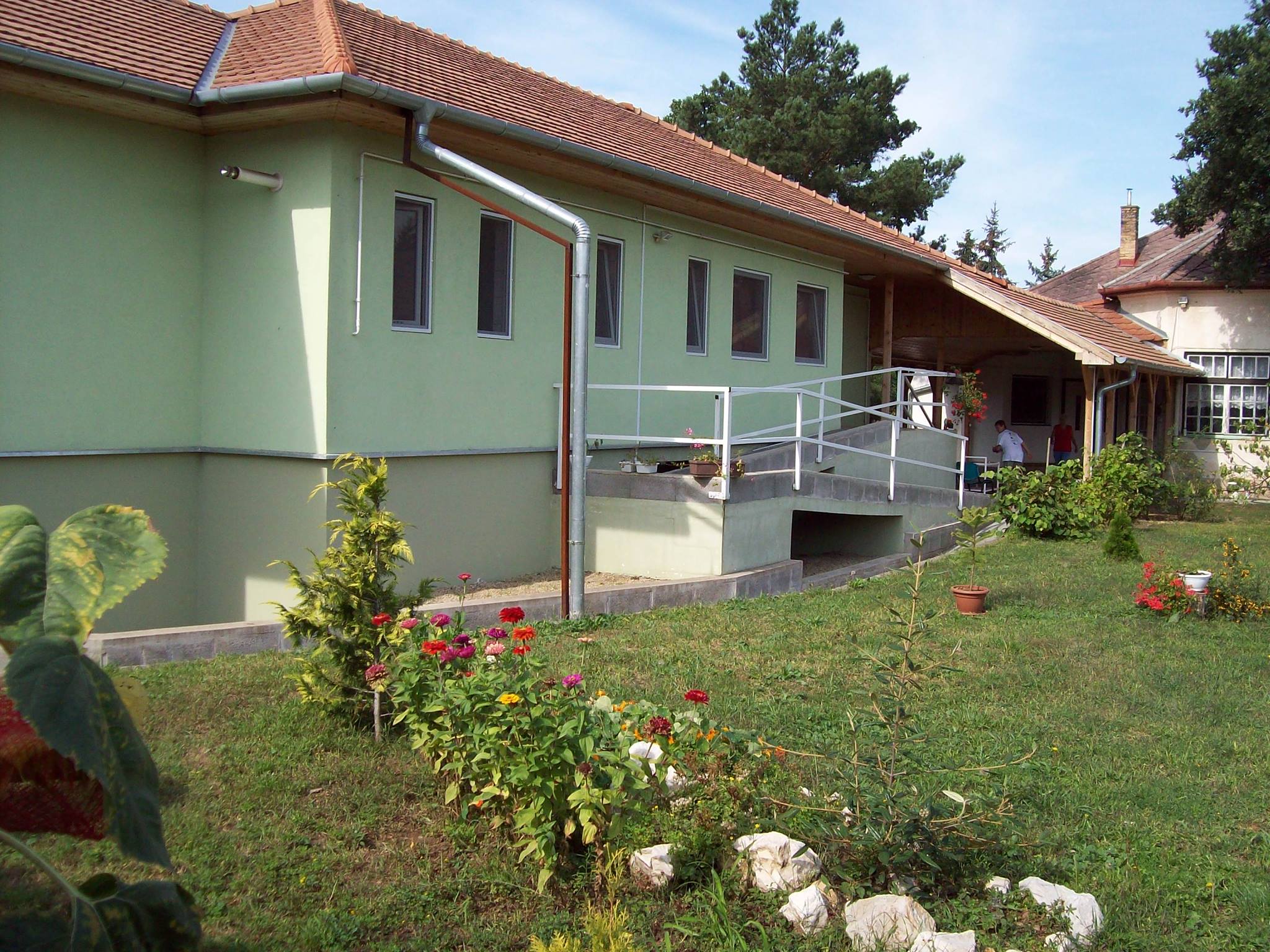
Dunaharaszti
1987.
INTERNATIONAL CONTEXT:
The two largest European Pentecostal organizations (European Pentecostal Fellowship and Pentecostal European Conference) merged in Lisbon, Portugal, under the name Pentecostal European Fellowship (PEF), and today counts 55 member organizations across Europe.
HUNGARIAN CONTEXT:
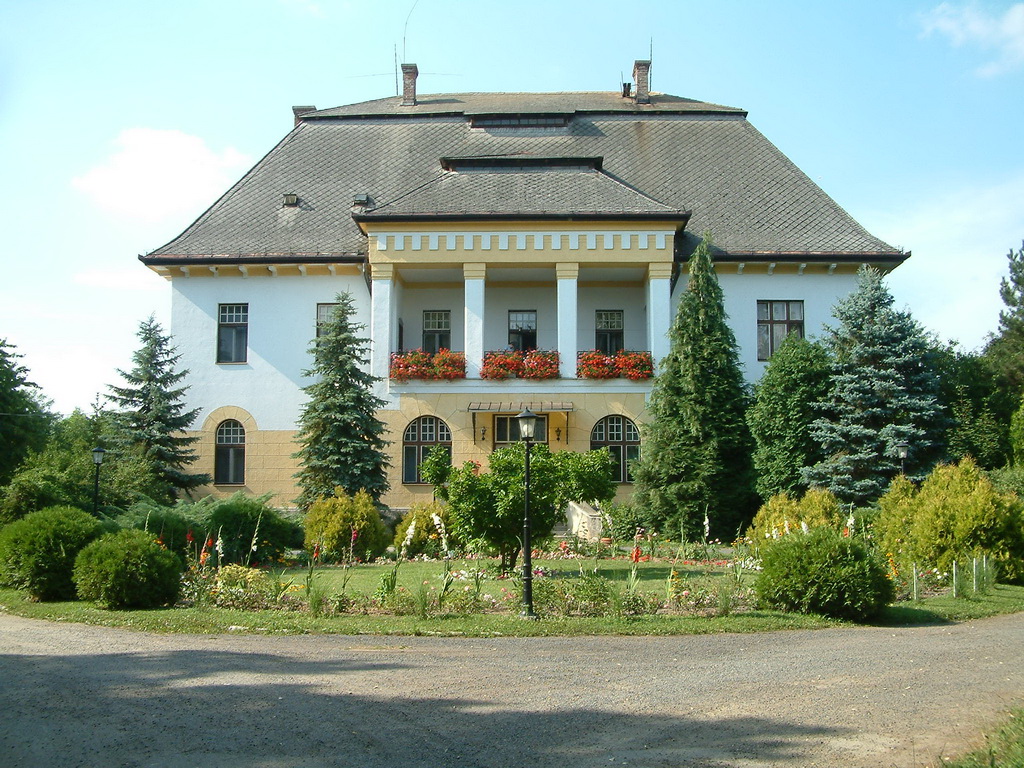
In 1984, the EPC purchased the Somssich Castle in Kadarkút (Vótapuszta), which was renovated through community effort. On October 31, 1987, under the direction of László Gyánó, the Kadarkút Home of Love for the elderly opened its doors. In the following years, the community organized children and youth camps as well as national conferences in the castle park.
1989.
HUNGARIAN CONTEXT:
As a result of the political changes, the two institutions through which the party-state tried to control churches, including the Pentecostal movement – the State Office for Church Affairs and the Council of Free Churches – ceased to exist.
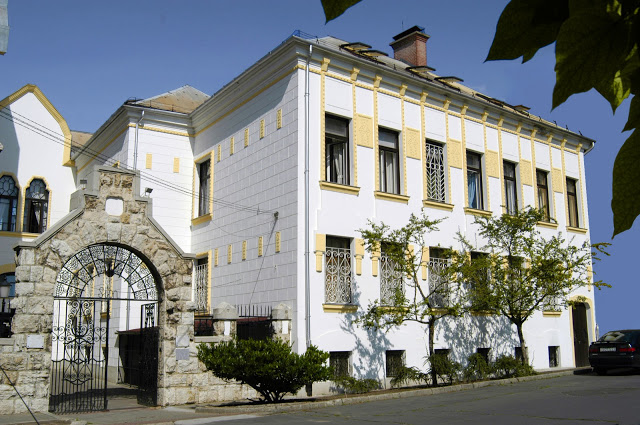
Pastor Sándor Bereczki, together with his congregation, carried out intensive mental health and social services in the 1980s and founded the Emberbarát Foundation in 1989. The foundation purchased the former synagogue complex in Kőbánya. After 11 months of renovation, with much volunteer work and Swedish financial assistance, the Emberbarát Foundation’s Alcohol and Drug Rehabilitation Institute opened in April 1991.
1991.
HUNGARIAN CONTEXT:
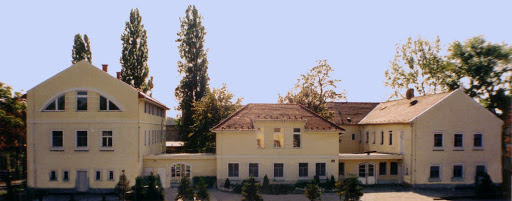
Pentecostals took advantage of the freedom brought by the political changes and founded the Biblical College in 1991. Since 1999, the institution has been called the Pentecostal Theological College, with the primary mission of preparing pastors and ministers for various church and social services.
1994.
HUNGARIAN CONTEXT:
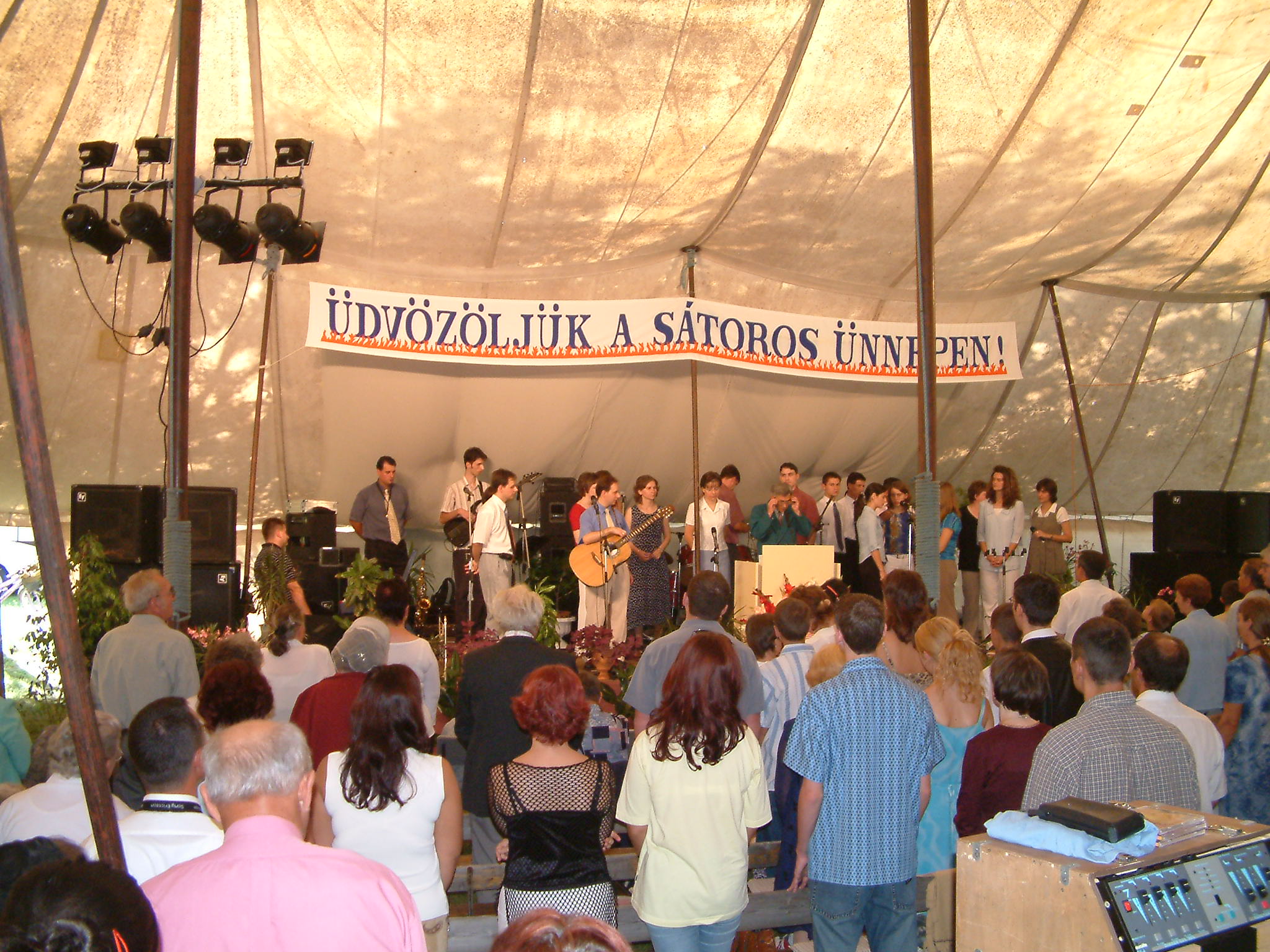
The largest evangelistic campaign of the 1990s was the Tent Mission. Pentecostal congregations held evangelistic weeks across the country under the name “Tent Festival.” Many people came to faith, renewed their practice of faith, and joined church services through the high-quality cultural and spiritual programs.
1996.
HUNGARIAN CONTEXT:
A new mission among the Roma community started in the late 1970s. In 1996, the National Roma Mission was officially established, led by Pastor Albert Durkó, who had been evangelizing and organizing children’s activities in the Roma settlements around Békés since his youth.
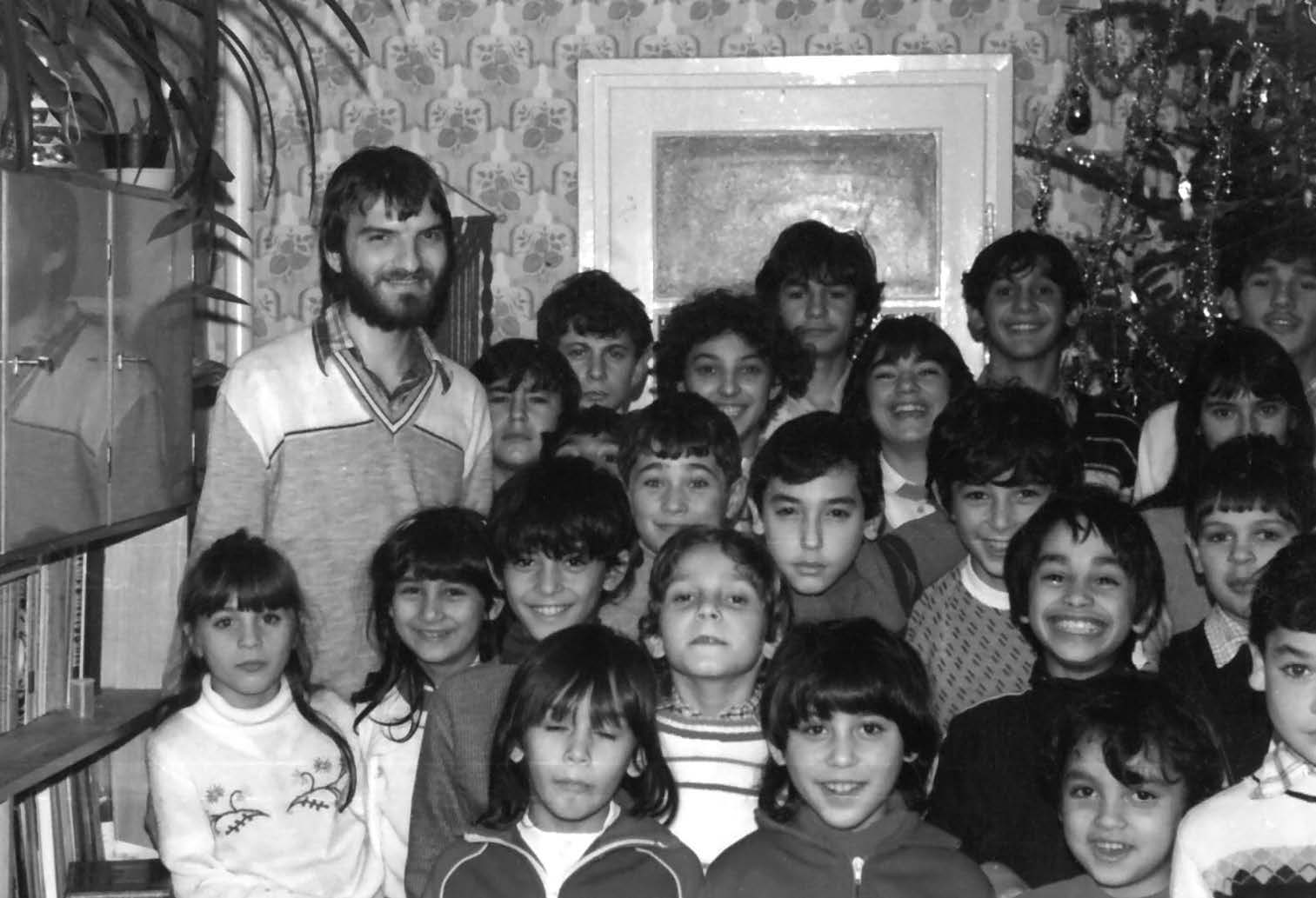
Gypsy children’s Bible circle
1986.

2006.
2009.
INTERNATIONAL CONTEXT:
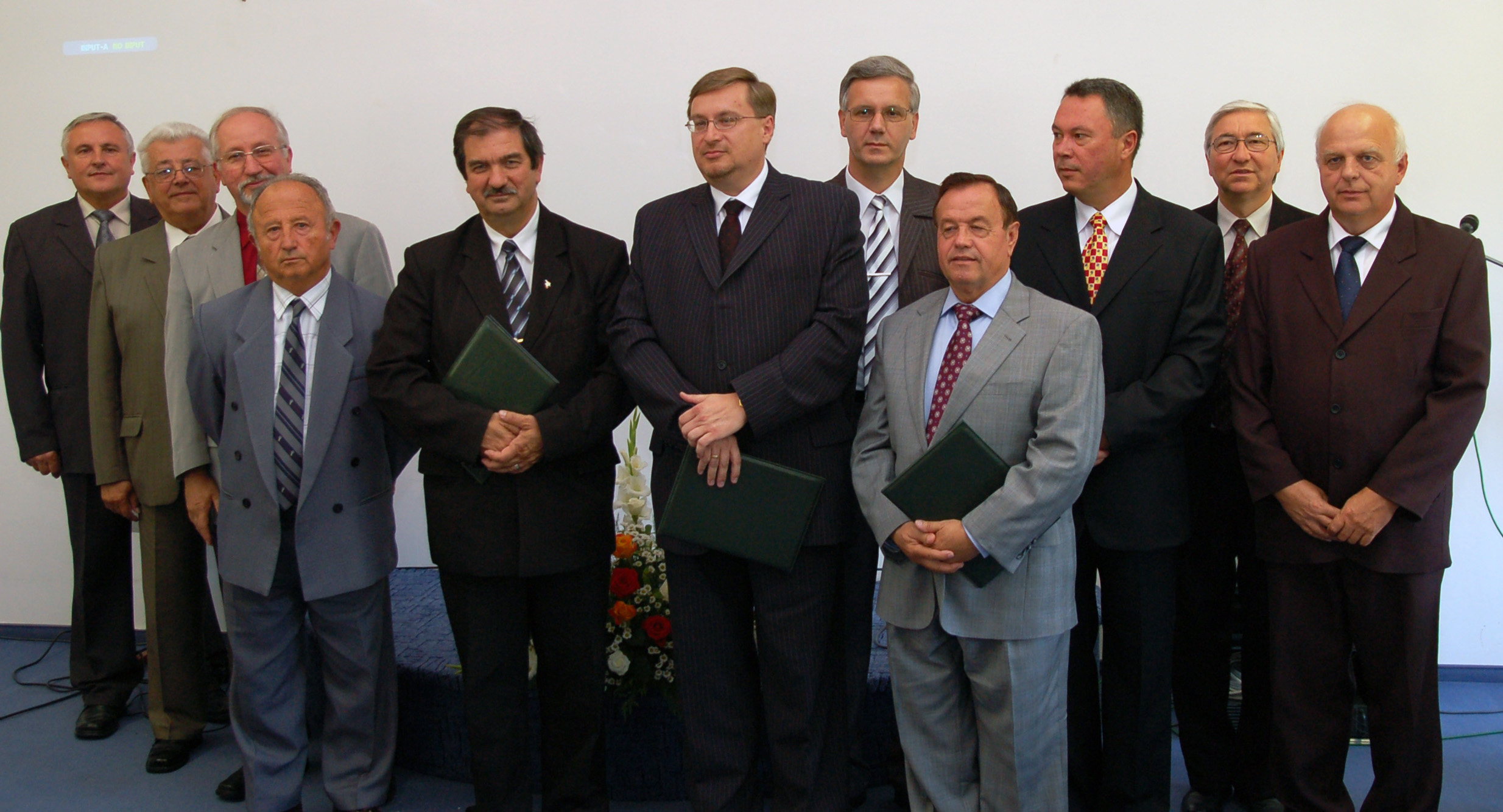
To foster good relationships, Hungarian Pentecostal organizations from abroad and the mother country established the Hungarian Evangelical-Pentecostal World Fellowship (MEPVISZ).
2009.